
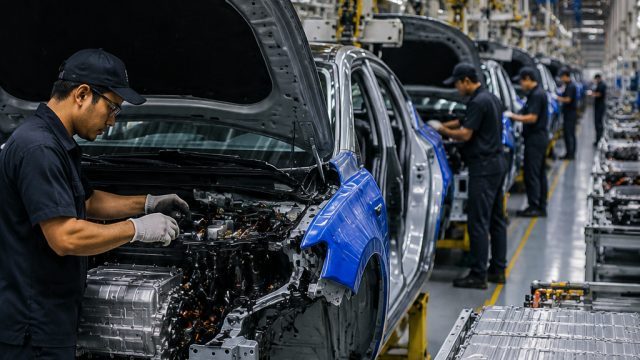
In a significant development for the automotive industry, Proton has announced the evolution of its Tanjung Malim plant into a multi-powertrain hub. This strategic shift is set to redefine not just Proton's manufacturing capabilities but also the future of sustainable automotive production. As the demand for diverse powertrain systems increases, this move positions Proton as a leader in the transition towards more eco-friendly vehicle options.
The Importance of Multi-Powertrain Manufacturing
As the automotive landscape changes, manufacturers are under pressure to innovate and diversify their production lines. The rise of electric vehicles (EVs), hybrid models, and advanced fuel technologies is transforming consumer expectations and regulatory requirements.
Why Multi-Powertrain Matters Now
- Consumer Demand: With growing concern over climate change, consumers are increasingly opting for vehicles with lower emissions.
- Regulatory Pressure: Governments worldwide are implementing stricter emissions regulations, urging manufacturers to adapt quickly.
- Technological Advancements: Innovations in battery technology and renewable energy sources are making new powertrains more viable.
Proton's Innovative Approach
Proton's decision to create a multi-powertrain facility signifies its commitment to sustainability and innovation. By integrating the production of traditional gasoline engines alongside electric and hybrid systems, Proton aims to cater to a broader market and minimize its environmental footprint.
Developments at the Tanjung Malim Plant
The Tanjung Malim plant is not only a manufacturing site but also a hub for research and development in powertrain technologies. Here are some key advancements:
- Enhanced Production Techniques: The plant will utilize cutting-edge manufacturing methods to improve efficiency and reduce waste.
- Collaboration with Tech Firms: Proton is partnering with technology companies to enhance battery efficiency and vehicle performance.
- Training & Development: Investments in workforce training are being made to equip employees with the necessary skills for new technologies.
The Wider Impact on the Automotive Industry
The transformation of the Tanjung Malim plant has implications beyond Proton itself. As the automotive sector grapples with sustainability challenges, Proton's initiative could inspire other manufacturers to follow suit.
Potential Benefits for the Industry
- Increased Competition: With more manufacturers producing multi-powertrain vehicles, consumers will benefit from a wider range of choices.
- Lower Emissions: The shift towards hybrid and electric vehicles will contribute to a significant reduction in automotive emissions.
- Economic Growth: This transition can foster job creation in new tech sectors and stimulate local economies.
Conclusion: A Step Towards a Sustainable Future
Proton's evolution of the Tanjung Malim plant into a multi-powertrain hub represents a critical step toward a sustainable future for the automotive industry. By embracing diverse powertrain technologies, Proton not only meets current market demands but also sets a precedent for others in the industry. This initiative highlights the importance of innovation and adaptability in a rapidly changing environment, signaling to consumers and competitors alike that Proton is at the forefront of a new era in automotive manufacturing.