
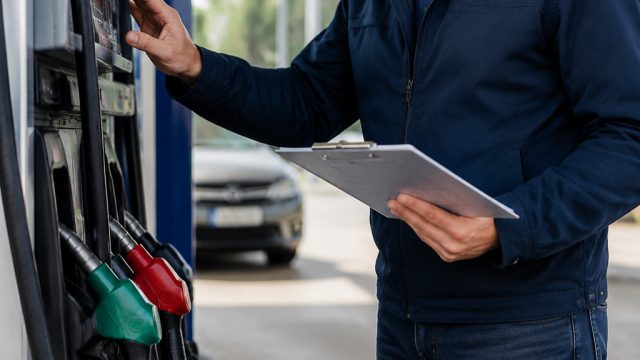
Amid rising concerns over soaring gasoline prices in the United States, a recent call from former President Donald Trump has reignited the national conversation about potential price gouging in the fuel industry. As prices at the pump continue to fluctuate, this investigation aims to shed light on the factors contributing to these increases and to seek accountability from oil companies.
The Context of Rising Fuel Prices
Gasoline prices have been on a tumultuous rise over the past few months, a trend that has left many consumers frustrated and searching for answers. Recent reports indicate that the average price of gasoline is nearing record highs, prompting scrutiny from consumers and lawmakers alike.
What Contributes to Rising Fuel Costs?
- Global Oil Prices: The cost of crude oil has a significant impact on gasoline prices. Fluctuations in global oil markets, influenced by geopolitical tensions, can cause prices to surge.
- Supply Chain Disruptions: Events such as natural disasters or global pandemics can disrupt the supply chain, leading to shortages and increased costs.
- Refinery Capacity: Limited refining capacity can exacerbate price increases when demand spikes.
- Market Speculation: Traders and investors often speculate on future oil prices, which can lead to volatility in fuel prices at the pump.
Trump's Call for an Investigation
In light of the ongoing situation, Trump has urged the Department of Justice (DOJ) to launch an investigation into the oil industry, aiming to address claims of price gouging. His sentiments reflect a growing concern among consumers who feel that they are being unfairly charged at the pump.
Implications of Price Gouging Claims
If validated, allegations of price gouging could lead to significant repercussions for oil companies, including:
- Legal Penalties: Companies found guilty of unjustified price hikes could face hefty fines and legal consequences.
- Regulatory Changes: This investigation could prompt new regulations aimed at protecting consumers and ensuring fair pricing in the fuel market.
- Consumer Confidence: An investigation could help restore public trust in the fuel industry, as transparency in pricing becomes a priority.
The Current Economic Climate
The U.S. economy is still recovering from the impacts of the COVID-19 pandemic, and rising fuel costs pose a threat to that recovery. Higher gasoline prices can lead to increased costs for goods and services, ultimately affecting consumers' wallets.
Why This Matters Now
As the investigation unfolds, it is crucial for consumers to stay informed about the implications of rising gasoline prices:
- Budget Planning: Understanding potential price changes can assist consumers in managing their budgets effectively.
- Awareness: Being aware of the factors driving fuel prices can empower consumers to make informed choices about their transportation options.
- Advocacy: Engaging in discussions about fuel pricing can spur community action and advocacy for fair pricing practices.
Conclusion
The ongoing investigation into gasoline prices and the broader implications for the oil industry are relevant to consumers nationwide. In this crucial time, it is essential to prioritize transparency and accountability, ensuring that the interests of everyday Americans are considered as the economy continues to navigate these turbulent waters. By following these developments, consumers will be better equipped to make informed decisions as they face the fluctuating landscape of fuel costs.