
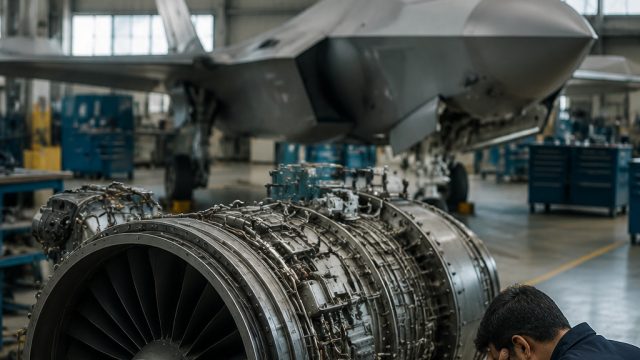
India's AMCA Engine Development Faces Setbacks Amid Cost Challenges
In a significant development for India's defense and aviation sectors, the ongoing negotiations regarding the Advanced Medium Combat Aircraft (AMCA) engine have hit a roadblock. This situation arises primarily due to a substantial increase in the pricing of the GE F414 engines that are integral to the AMCA project, raising concerns not just about immediate costs but also about the long-term viability of India's indigenous fighter aircraft program.
The Rising Costs of Engine Development
The recent spike in the cost of the GE F414 engines, which are crucial for the AMCA's performance, has left Indian defense officials reassessing their procurement strategy. Initially, the AMCA program was anticipated to provide cutting-edge capabilities to the Indian Air Force, contributing to self-reliance in defense manufacturing. However, the new pricing hurdles have cast doubts on these projections.
Impact on Project Timelines
As discussions around the pricing continue, the implications for project timelines cannot be ignored. Defense analysts suggest that prolonged negotiations could lead to delays in the AMCA program, pushing back the timeline for its first flight and subsequent induction into service. This is a critical concern for a nation that aims to boost its aerial capabilities amidst regional tensions.
The Strategic Importance of the AMCA Program
The AMCA program is not just about enhancing the capabilities of the Indian Air Force; it holds strategic significance in the broader context of India's defense posture. With rising security challenges, particularly from neighboring countries, the need for an advanced fighter jet has never been more pressing.
Self-Reliance vs. Foreign Dependence
India's defense policy has increasingly focused on self-reliance, with initiatives like "Make in India" driving the country towards indigenous development of military hardware. The AMCA project is a cornerstone of this vision, but reliance on foreign technology and components, such as the GE F414 engine, complicates this objective.
- Increased costs challenge the self-reliance goal.
- Potential delays affect national security strategy.
- Dependency on foreign technology raises concerns over control.
Alternative Solutions in Engine Development
As the situation evolves, Indian defense officials have hinted at the possibility of exploring alternative engine solutions that could mitigate the impact of rising costs. This could involve either negotiating better terms with GE or looking for domestic alternatives that could eventually replace the F414 engines in the AMCA project.
Future Prospects for Indigenous Engines
Developing a fully indigenous engine could be a game changer for India’s aerospace capabilities. The Defense Research and Development Organisation (DRDO) has been working on engine technology for various applications, and this could also be an opportunity to fast-track those efforts, leading to a more sustainable and self-sufficient defense manufacturing ecosystem.
Conclusion: Navigating Through Challenges
While the challenges facing the AMCA engine negotiations are significant, they also present an opportunity for India to rethink its defense procurement strategy. Building a robust indigenous defense capability is essential for ensuring national security and reducing reliance on foreign technology. As negotiations continue, the outcome will not only shape the future of the AMCA program but also the broader landscape of India's defense manufacturing sector.