
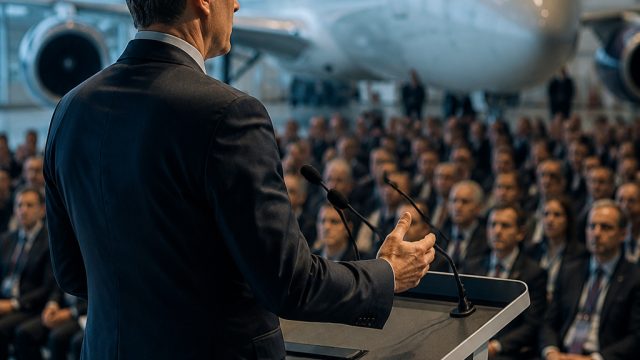
The aviation industry is on the brink of significant changes as we approach key milestones in 2026. Recently, Stuart Fox, the Director of Flight and Operations at the International Air Transport Association (IATA), delivered an enlightening speech addressing the future of aviation. With the global travel landscape constantly evolving, understanding these insights has never been more crucial for industry stakeholders and travelers alike.
Current Challenges Facing Aviation
As the world recovers from the pandemic's impacts, the aviation sector faces numerous challenges that could shape its future. Key issues include:
- Regulatory Changes: New regulations are being introduced to enhance safety and efficiency, impacting everything from flight operations to passenger experience.
- Technological Advancements: The introduction of cutting-edge technologies promises to revolutionize the way airlines operate, but adapting to these changes can be daunting for many.
- Environmental Considerations: Sustainability has become a focal point, with many airlines striving to reduce their carbon footprint and implement greener practices.
Regulatory Changes Impacting Operations
With new regulations rolling out, airlines must remain adaptable. The emphasis on operational safety and efficiency is driving innovations including:
- Enhanced Safety Protocols: Stricter guidelines are being enacted, ensuring that airlines meet high safety standards during operations.
- Streamlined Processes: New protocols aim to reduce delays and streamline the boarding process, enhancing passenger experience.
Technological Innovations in Aviation
The aviation industry is experiencing a technological renaissance. From advancements in communication systems to the integration of AI in operations, the following trends are noteworthy:
- AI and Machine Learning: Airlines are employing AI to predict maintenance needs and improve operational efficiency.
- Digital Aviation Solutions: New platforms are being developed to enhance customer experience through seamless booking and real-time updates.
Investing in the Future
As airlines invest in these technologies, the long-term benefits could be substantial. Key areas of investment include:
- Improved customer service through personalized travel experiences.
- Operational cost reductions due to optimized fleet management.
Environmental Sustainability: A Critical Focus
Environmental sustainability has become a priority for airlines globally. Companies are committing to ambitious targets to reduce emissions and enhance their environmental responsibility. Some of the prominent strategies include:
- Fleet Modernization: Many airlines are investing in newer, more fuel-efficient aircraft to lower emissions.
- Alternative Fuels: The exploration and adoption of sustainable aviation fuels (SAFs) are gaining momentum, aiming to significantly reduce the industry's carbon footprint.
- Carbon Offsetting: Airlines are beginning to offer carbon offset programs to travelers, allowing them to contribute to environmental initiatives.
The Role of Stakeholders
In this evolving landscape, collaboration among stakeholders is vital. Airlines, manufacturers, and regulators must work together to:
- Facilitate knowledge sharing and best practices.
- Develop comprehensive frameworks for implementing technological innovations responsibly.
Conclusion: The Road Ahead for Aviation
Stuart Fox's address at the recent IATA event serves as a reminder of the dynamic nature of the aviation industry. As we approach 2026, the focus on regulatory compliance, technological advancements, and environmental sustainability will shape the future trajectory of air travel. Stakeholders must remain agile and responsive to these changes to ensure a safe, efficient, and eco-friendly aviation landscape. The insights shared highlight the importance of collaboration and innovation as the industry navigates these challenges, setting the stage for a stronger, more resilient future in aviation.