
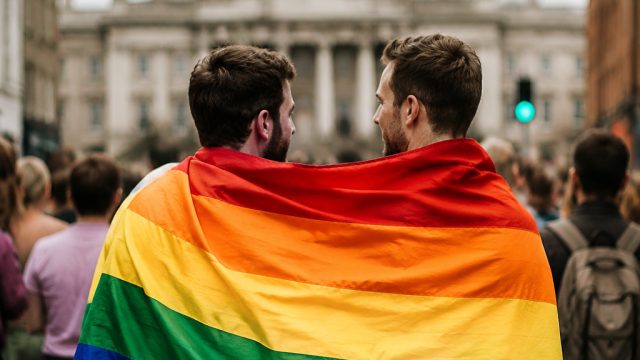
In a landmark decision on June 24, 1993, Ireland took a monumental step towards equality by decriminalizing homosexuality. This pivotal moment marked not only a significant change in Irish law but also a transformative shift in societal attitudes towards the LGBTQ community. As we reflect on this historic day, it is essential to understand its implications and how it continues to resonate with movements for equality today.
The Long Journey to Decriminalization
The fight for LGBTQ rights in Ireland was marked by tenacity and courage, spearheaded by activists who dared to challenge the status quo. One of the most prominent figures in this battle was Independent Senator David Norris. His relentless advocacy brought national attention to the injustices faced by gay individuals in Ireland. Norris's efforts, which included legal challenges and public campaigns, laid the groundwork for a more inclusive society.
Campaigns and Legal Challenges
The journey toward decriminalization was fraught with challenges. Activists faced societal stigma, legal hurdles, and widespread discrimination. However, Norris and his supporters remained undeterred. They organized protests, engaged in public discourse, and utilized legal avenues to push for change. Each effort contributed to raising awareness and shifting public perception.
- Legal battles fought in Irish courts
- Public awareness campaigns in major cities
- Support from international LGBTQ rights organizations
- Growing acceptance within Irish society
The Impact of Decriminalization
The decriminalization of homosexuality in 1993 not only allowed individuals to live openly without fear of prosecution but also catalyzed a broader movement towards LGBTQ rights. This change was crucial for fostering acceptance and encouraging the community to voice their needs and rights.
Transforming Attitudes and Laws
Following decriminalization, Ireland saw a gradual transformation in its legal framework, paving the way for significant advancements. Laws regarding same-sex relationships, adoption, and marriage equality were progressively revised, reflecting a shift in public opinion.
- Introduction of civil partnership laws in 2010
- Legalization of same-sex marriage in 2015
- Increased visibility and representation in media and politics
Why This Matters Now
As we commemorate the 30th anniversary of this historic decision, it is vital to recognize its ongoing relevance. The fight for LGBTQ rights continues globally, with many countries still grappling with discrimination and inequality. Ireland's journey serves as an inspiring example of how active advocacy and societal change can lead to legal reform.
The Role of Activism
Today, activists worldwide draw inspiration from Ireland's progress as they strive for equality in their own countries. The stories of struggle and triumph remind us that the path to equality is often long and arduous, but change is possible through dedication and resilience.
Conclusion: A Future of Equality
The decriminalization of homosexuality in Ireland in 1993 represented a critical juncture in the fight for LGBTQ rights. As we reflect on this milestone, let us celebrate the progress made while acknowledging the work that still lies ahead. The legacy of this event continues to inspire activists and advocates pushing for equality worldwide. Only by standing together can we ensure a future where everyone, regardless of their sexual orientation, is treated with dignity and respect.