
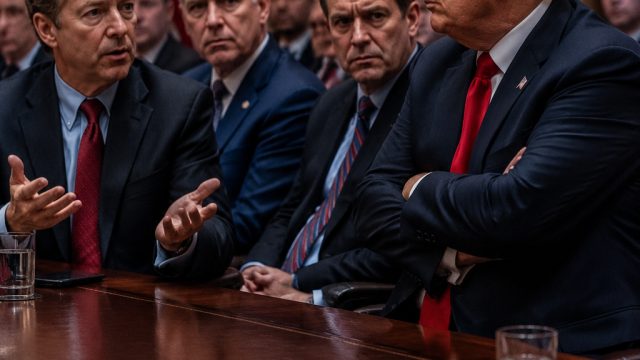
In a significant political shift, recent developments surrounding President Donald Trump's administration and its handling of war powers have sparked discussions about his dwindling support among Republican lawmakers. With Congress voting to limit the President's authority to engage militarily without prior congressional approval, questions arise regarding the long-term implications for Trump’s influence within the party.
The Context of the War Powers Vote
On June 24, 2026, the Senate made a decisive move to limit Trump's war powers, marking a pivotal moment in American politics. This vote not only reflects the increasing unease within the GOP regarding the President's military strategies but also signals a potential fracture in the party’s unity. Experts like political consultant Doug Heye argue that this may indicate a broader trend of Republican lawmakers reevaluating their allegiance to Trump amidst growing public dissent.
Understanding the Political Landscape
- GOP Internal Dynamics: The Republican Party has historically been known for its strong alignment with presidential authority, especially regarding military actions. However, this vote suggests a critical reassessment of this loyalty.
- Public Sentiment: Polls indicate that a significant portion of the electorate is concerned about unchecked presidential powers, especially in matters of war and peace.
- Future Elections: As the 2026 midterm elections approach, Republicans may feel pressure from constituents to take a firmer stance on issues of governance and transparency.
Impacts on Trump’s Support Base
The ramifications of the Senate’s decision are profound. Many observers believe that Trump's base, which has been characterized by unwavering loyalty, may show signs of fracture as key supporters express concern over his governance style. As noted by Heye, the shifting sentiment among GOP members could lead to significant changes in Trump's ability to rally support for future initiatives.
Key Factors Influencing Support
- Military Engagement: Trump's approach to foreign policy and military engagement has often been polarizing, and this vote may reflect a broader desire among Republicans for a more measured approach.
- Legislative Actions: The ability of Trump to push his agenda through Congress may be hindered if key Republican senators and representatives begin to break ranks.
- Party Identity: The evolving identity of the GOP may lead to a push for a candidate who aligns more closely with traditional Republican values, distancing themselves from Trump’s more controversial policies.
Looking Forward: The Path Ahead for Trump and the GOP
As the political landscape transitions, it is crucial to monitor how Trump responds to this internal dissent. His strategy moving forward will be vital in determining whether he can maintain control over the Republican Party or if he will face increasing opposition from within. Analysts suggest several possible outcomes:
Potential Outcomes
- Increased Polarization: Trump may double down on his current strategies, further polarizing the party and its supporters.
- Shift in Leadership: If discontent continues to grow, alternative leaders within the party might emerge, seeking to redefine the GOP’s direction.
- Reassessment of Policies: Trump could adapt his policies to align more with mainstream Republican values, aiming to regain the support of wavering lawmakers.
Conclusion
In conclusion, the recent Senate vote on war powers has illuminated cracks in Trump's support within the Republican Party. As key figures in the GOP begin to voice their concerns and lawmakers take a stand against unilateral presidential powers, the future of Trump’s influence remains uncertain. For those closely following American politics, this moment serves as a crucial indicator of where the party may head in the near future. The implications of this shift could not only reshape the Republican Party but also set the tone for the upcoming elections and beyond.