
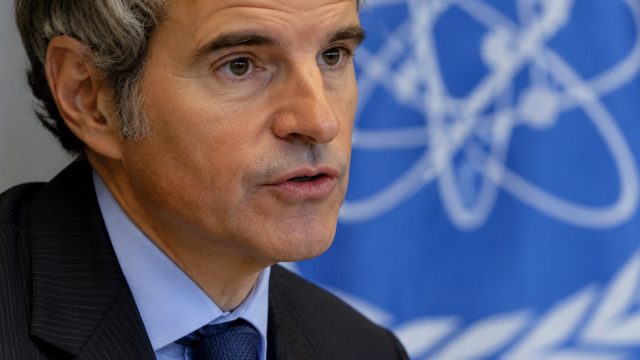
The international community is watching closely as the U.N. nuclear agency's head has recently emphasized the necessity for inspectors to access nuclear sites in Iran. This pronouncement comes at a crucial juncture in negotiations surrounding Iran's nuclear program, highlighting the tension between diplomatic progress and the assurance of compliance with international regulations.
The Current State of Negotiations
Negotiations regarding Iran's nuclear ambitions have reached a pivotal point. Following a series of talks, the U.N. nuclear agency has made it clear that access to specific sites in Iran is critical for verifying the country's adherence to its commitments. However, Iranian officials have responded cautiously, asserting that inspections will only occur after a final agreement is reached.
The U.N.'s Position on Inspections
The Director General of the International Atomic Energy Agency (IAEA) has stated that maintaining a robust verification regime is essential for global security. The IAEA aims to ensure that Iran's nuclear program is peaceful and complies with international standards. The ongoing dialogues between Iran and world powers are crucial, but the lack of access to sites raises questions about transparency and trust.
Iran's Response: A Stance of Caution
In a recent statement, Iranian officials reiterated their position, emphasizing that nuclear inspections could only be authorized once a comprehensive agreement is finalized. This caution reflects Iran's strategy to leverage negotiations while asserting its sovereignty over its nuclear activities.
Implications for International Relations
The back-and-forth between the U.N. and Iran is not merely a matter of technical inspections but a significant element in the broader landscape of international relations. Countries involved in the negotiations are eager to see a resolution that ensures regional stability and prevents nuclear proliferation.
The Role of Global Powers
Global powers, including the United States and European nations, are deeply invested in the outcome of these negotiations. As leaders navigate the complexities of diplomacy, the stakes are high. A successful agreement could lead to improved relations, while failure could exacerbate tensions and lead to further sanctions.
The Impact on Global Security
- Nuclear Proliferation: Ensuring that Iran does not develop nuclear weapons is a primary concern for the international community.
- Regional Stability: A stable Iran is crucial for maintaining peace in a historically volatile region.
- Economic Sanctions: The outcome of the negotiations will likely influence the lifting or imposition of sanctions on Iran.
Conclusion: A Crucial Moment in Nuclear Diplomacy
As discussions continue, the need for transparency and verification becomes increasingly important. The U.N. nuclear chief's call for access to Iranian sites underscores the delicate balance between diplomacy and accountability. The forthcoming weeks will be pivotal as global stakeholders await Iran's next move and the potential for a transformative agreement that could reshape international relations.