
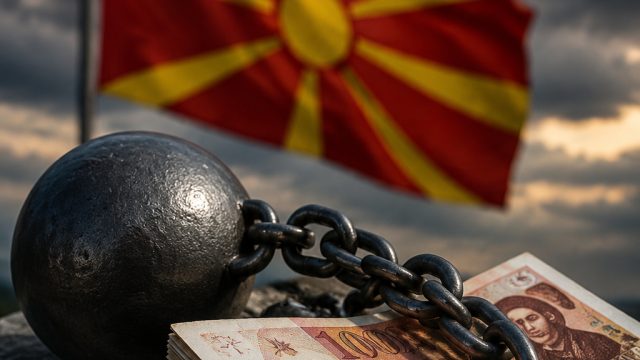
Macedonia recently reported a substantial increase in its foreign debt, raising concerns among economists and citizens alike. According to the latest figures from the central bank, the country's external obligations skyrocketed by €742 million in just three months. This surge, recorded in the first quarter of 2026, signals a pivotal moment for the nation's financial landscape and poses critical questions regarding future economic stability.
Understanding the Surge in Foreign Debt
The pronounced uptick in Macedonia's foreign debt is attributed to several factors, including increased borrowing to support various economic sectors amid global uncertainties. As nations grapple with post-pandemic recovery and inflationary pressures, Macedonia has found it necessary to seek external financing to bolster its economic initiatives.
Key Contributing Factors
- Post-Pandemic Recovery: The ongoing recovery from COVID-19 has led to heightened government spending in critical areas, including healthcare and infrastructure, thereby increasing the need for external loans.
- Inflation Pressures: Rising costs of imports due to global inflation have affected the national budget, pushing the government to seek additional funds from abroad.
- Investment in Infrastructure: Significant investments in infrastructure projects require funding, leading to an escalation in borrowing.
Implications for Economic Stability
The surge in foreign debt raises several pivotal concerns regarding Macedonia's economic stability. Increased debt levels can lead to higher interest payments, impacting public finances and potentially leading to austerity measures in the future.
Potential Economic Consequences
While foreign debt can be a tool for stimulating growth, excessive borrowing can lead to risks:
- Debt Servicing Burden: A higher debt level means increased repayments, which can strain government resources and limit spending in other essential areas.
- Currency Fluctuation Risks: Borrowing in foreign currencies exposes Macedonia to exchange rate risks, potentially increasing the total debt burden if the local currency depreciates.
- Investor Confidence: A rising debt-to-GDP ratio may deter foreign investment, as potential investors might view the economy as less stable.
What Lies Ahead for Macedonia?
As Macedonia navigates this surge in foreign debt, the government must implement strategic policies aimed at mitigating risks while promoting sustainable economic growth. Key steps could include:
- Enhancing Fiscal Responsibility: Implementing strict fiscal policies to manage public spending effectively and prioritize essential investments.
- Diversifying the Economy: Reducing reliance on external financing by fostering local industries and innovation to boost self-sufficiency.
- Engaging with International Partners: Strengthening partnerships with international financial institutions to secure favorable loan terms and technical assistance.
The Role of Public Awareness
Public awareness and understanding of these economic challenges are critical. Citizens should be engaged in discussions about fiscal policies and economic strategies, fostering a collective effort towards national stability and growth. Monitoring the government's approach to managing this debt will be essential in assessing the future economic trajectory of Macedonia.
Conclusion
The recent spike in Macedonia's foreign debt raises important questions about the future of its economy. As the government seeks to navigate these waters, balancing growth and debt management will be crucial. By focusing on fiscal responsibility and diversifying economic activities, Macedonia can strive for a more stable financial future, even amidst uncertain global conditions.