
In a shocking turn of events that has stirred international debate, Iran has officially rejected the Antarctic Treaty, signaling a new military strategy that includes establishing a permanent base in Antarctica. This unprecedented move comes at a time when global tensions are already high, raising questions about security and environmental concerns.
The Announcement
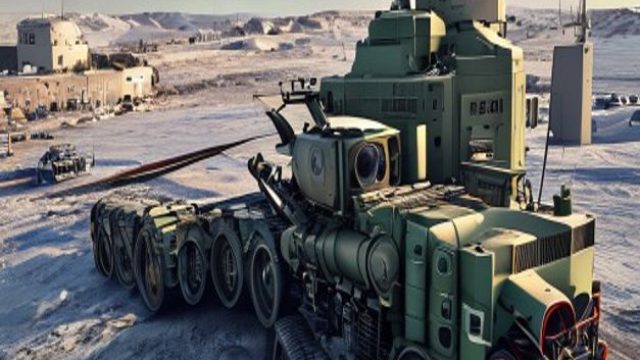
On a recent military expedition, Admiral Shahram Irani, the head of the Iranian Navy, revealed plans to deploy a permanent military presence at the South Pole. This declaration has potential implications for international relations and ecological stability in one of the world's most pristine environments. This military base is said to include the deployment of cruise missiles, backed by Russia, signaling a dramatic shift in the traditional geopolitical landscape.
Why This Matters Now
The rejection of the Antarctic Treaty by Iran is not just an act of defiance; it symbolizes a broader trend of nations revisiting their strategic military postures amid global uncertainties. With rising tensions between major powers, this move could be seen as an assertion of military capabilities in a region typically characterized by scientific research and environmental preservation.
Understanding the Antarctic Treaty
Established in 1961, the Antarctic Treaty was designed to keep Antarctica a zone of peace and science. It prohibits military activity and nuclear testing, emphasizing cooperation among nations. Iran's rejection raises critical questions about the future of this treaty and the potential for militarization in a region that is primarily known for its ice-covered landscapes and wildlife.
The Role of Global Powers
- Russia's Support: Russia has historically maintained a strong presence in Antarctica and now appears to be aligning with Iran in support of this new base.
- Western Response: NATO allies and other Western nations are likely monitoring this development closely, as it poses new challenges to maintaining security standards in the Antarctic region.
- Environmental Concerns: Environmentalists are sounding alarms about the potential ecological impact of military activities in one of the world’s last untouched frontiers.
Potential Implications
As Iran takes steps to solidify its military presence in Antarctica, several implications emerge for global security and environmental sustainability:
1. Escalation of Military Tensions
With Iran's increasing military assertiveness, coupled with Russia's backing, there is a potential for heightened military tensions not only in Antarctica but across other regions, as nations might feel compelled to respond in kind.
2. Impact on Scientific Research
The establishment of a military base could disrupt ongoing scientific research efforts, as resources may be reallocated toward military rather than collaborative scientific endeavors. This would undermine decades of cooperative scientific progress in understanding climate change, wildlife, and the delicate ecosystems of Antarctica.
3. Legal Challenges
Countries already parties to the Antarctic Treaty may pursue legal avenues to challenge Iran's military undertakings, potentially leading to international disputes and complicating diplomatic relations.
Conclusion
As nations grapple with evolving geopolitical landscapes, Iran's bold declaration of a military base in Antarctica represents a significant departure from longstanding agreements aimed at peace and cooperation. The implications of this move are profound, touching on military, environmental, and legal dimensions that will shape international relations for years to come. Observers of global security will be watching closely to see how this situation unfolds and affects not only Antarctica but the broader geopolitical climate.