
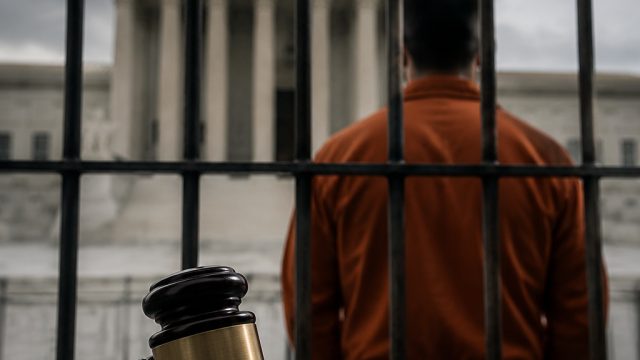
The recent ruling by the Supreme Court concerning a Rastafarian inmate has sparked significant debate over the intersection of religious freedom and inmate rights. This case, involving an individual named Damon Landor, raises critical questions about the protections afforded to religious beliefs within the penal system, particularly regarding personal grooming practices that are integral to faith.
Background of the Case
Damon Landor, who identified as a Rastafarian, faced a distressing situation when prison guards forcibly cut off his dreadlocks, a hairstyle deeply rooted in his religious beliefs. Despite presenting legal documentation that supports the preservation of his hair as a matter of faith, the officers proceeded with the act, leading to severe emotional distress and a sense of violation of his religious rights.
The Supreme Court's Decision
In a recent ruling, the Supreme Court decided not to allow Landor to pursue a lawsuit against the prison guards for their actions. This decision has profound implications for inmates across the country, particularly those practicing minority religions. The justices argued that the federal law protecting religious rights does not extend to individuals in correctional facilities in the same way it does for the general public.
Implications for Religious Freedom
This ruling raises essential concerns about the extent of religious freedoms granted to incarcerated individuals. The implications are twofold:
- Increased Vulnerability: Inmates may face greater risks of having their rights violated without sufficient legal recourse.
- Chilling Effect: This ruling could discourage other inmates from asserting their rights for fear of retaliation or further violation.
Previous Cases and Legal Precedents
This isn't the first time the issue of religious expression has come into question within the prison system. Previous cases have hinted at a pattern of restricting inmates' religious practices, including dietary restrictions, prayer times, and grooming standards. Often, these issues are rooted in the balance that corrections facilities must maintain between security and the rights of inmates.
Responses from Advocacy Groups
In the wake of this ruling, numerous advocacy groups have spoken out, emphasizing the need for a critical review of how prisons handle religious rights. Organizations dedicated to civil liberties have expressed concern that the ruling may embolden prison authorities to disregard the religious needs of inmates further.
Calls for Reform
Many activists are calling for reforms that would ensure inmates' religious rights are protected more robustly. They suggest implementing clearer policies and training for prison staff to understand and respect diverse religious needs. A few proposed measures include:
- Enhanced Training: Providing prison staff with training on various religious practices and beliefs.
- Policy Revisions: Creating clear guidelines regarding religious expression and grooming standards.
- Support Systems: Establishing a system for inmates to report grievances related to religious practices safely.
Why This Matters Now
The need to address these issues is urgent. With increasing awareness of human rights, the treatment of inmates is under greater scrutiny. This case serves as a reminder that religious freedom is a fundamental right that should not be compromised, regardless of one’s incarceration status. The implications of this ruling extend beyond legal boundaries; they highlight the moral responsibility society holds toward all its members, including those behind bars.
Conclusion
The Supreme Court's recent decision in Landor's case sends a concerning message regarding the treatment of religious beliefs in correctional settings. As debates around prison reform and human rights continue to evolve, it is essential for advocates, lawmakers, and the public to engage in meaningful discussions on how to protect the rights of all individuals, regardless of their circumstances. Ensuring that religious freedoms are upheld within the prison system is not just a legal obligation but a reflection of society's values of respect, dignity, and justice.