
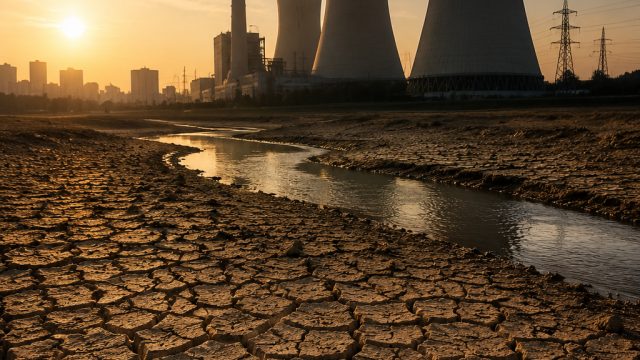
The scorching summer heat across Europe has brought significant challenges to the continent's power infrastructure. As temperatures reach unprecedented levels, several power plants have been forced to shut down or reduce output, raising concerns over energy reliability during peak demand periods. This situation highlights the urgent need for a reevaluation of energy strategies in a rapidly changing climate.
The Current Heat Wave Crisis
For weeks, various regions in Europe have been grappling with extreme temperatures, leading to a surge in electricity demand. This summer's heat wave is not only uncomfortable for residents but has also put immense pressure on energy systems that were not designed to cope with such conditions. The ongoing situation prompts an important discussion about the implications of climate change on energy production and consumption.
Why is This Happening?
Several factors contribute to the current energy crisis:
- Climate Change: The frequency and intensity of heat waves are increasing due to global warming, leading to higher energy demands during summer months.
- Infrastructure Limitations: Many power plants, particularly older models, are unable to operate efficiently under extreme heat conditions.
- Water Availability: Cooling systems in thermal power plants rely on water, and the extreme heat has resulted in lower water levels in rivers and reservoirs.
Impact on Energy Supply
The shutdowns of power plants have led to a palpable strain on energy supply across Europe. Countries like France and Germany have reported significant losses in electricity generation, which could result in power shortages if temperatures remain elevated. With energy demand skyrocketing, the risk of blackouts increases, necessitating immediate action to mitigate the impacts.
Strategies for Mitigation
In response to these challenges, several strategies can be implemented to alleviate the situation:
- Invest in Renewable Energy: Expanding the use of solar, wind, and other renewable sources can help reduce reliance on traditional power plants.
- Upgrade Infrastructure: Modernizing existing power facilities to withstand extreme temperatures is crucial for future reliability.
- Demand Response Programs: Encouraging consumers to reduce usage during peak times can help balance supply and demand.
Long-Term Implications
The current crisis serves as a wake-up call for policymakers, energy companies, and consumers alike. It emphasizes the need for long-term planning in energy management. As extreme weather events become more common, the emphasis must shift towards resilient energy systems capable of withstanding such challenges.
Policy Recommendations
To address these long-term implications, the following policy actions could be considered:
- Regulatory Frameworks: Governments should establish regulations that support the transition to greener energy sources.
- Research and Development: Increased funding for research into climate-resilient technologies is necessary.
- Public Awareness Campaigns: Educating the public about energy conservation can lead to more sustainable consumption patterns.
Conclusion
The ongoing heat waves in Europe have unveiled vulnerabilities in the energy sector that must be addressed to ensure reliability and sustainability in the future. As temperatures rise, so does the urgency for innovative solutions and robust policies. Stakeholders must act swiftly and strategically to protect energy systems from the escalating impacts of climate change, ensuring that power supply remains stable and resilient for all Europeans.