
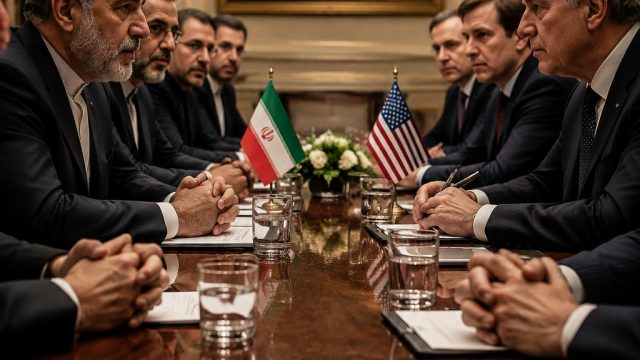
Iran Negotiations Heat Up Amid Tensions: What You Need to Know
The political landscape in the Middle East is shifting rapidly as negotiations between Iran and the United States enter a critical phase. Recent developments indicate that efforts aimed at stabilizing Lebanon could hinge heavily on the outcomes of these talks. As tensions rise, understanding the stakes has never been more important.
The Current State of Iran-U.S. Relations
In the backdrop of ongoing conflicts in the region, the U.S. and Iran are engaging in negotiations that are critical to any potential de-escalation of violence. The discussions, which have recently taken place in Switzerland, come at a time when regional stability hangs in the balance.
Key Players and Their Roles
- Iran's Leadership: The Iranian government has shown willingness to engage diplomatically, emphasizing its commitment to potential agreements.
- U.S. Officials: American diplomats are aiming for a comprehensive solution that addresses not just nuclear concerns but also broader regional issues.
- International Stakeholders: Countries with vested interests in Middle Eastern stability, including those in Europe, are closely monitoring the negotiations.
Recent Developments and Their Impact
In a recent statement, former President Donald Trump issued a warning to Iran, highlighting the ramifications of ongoing discussions. While some view this as a distraction, the implications of U.S. rhetoric could shape the nature of Iranian responses.
Potential for Conflict Escalation
The backdrop of these negotiations is marked by a potential increase in hostilities. Should talks fail, the risk of renewed violence in Lebanon and its neighboring regions looms large. Analysts are keenly watching how these diplomatic efforts unfold:
- Ceasefire Agreements: Any agreements reached may lead to immediate ceasefires in areas affected by violence.
- International Sanctions: The U.S. has indicated willingness to reconsider sanctions, which could impact Iran's economy significantly.
- Public Sentiment: Both Iranian and U.S. public opinions could sway negotiations, making transparency crucial.
Why Now Matters
The urgency of these negotiations cannot be overstated. With Lebanon facing severe humanitarian crises and potential fallout from regional disputes, timely agreements could avert further disaster. The geopolitical stakes are high; failure to achieve lasting peace may lead to broader conflict.
The Role of International Mediators
International bodies and allied nations may serve as mediators in the ongoing negotiations. Their involvement is crucial, as they can help facilitate dialogue and propose viable solutions that respect the interests of all parties involved.
Conclusion: The Road Ahead
As both sides navigate these complicated waters, the world watches closely. The outcome of U.S.-Iran negotiations will not only influence the immediate conflict in Lebanon but will also have lasting implications for Middle Eastern geopolitics. Staying informed and understanding the dynamics at play is essential for anyone interested in international relations and global security.
For updates on this evolving situation, continue to follow news from trusted sources and engage with discussions that explore the implications of these critical negotiations.