
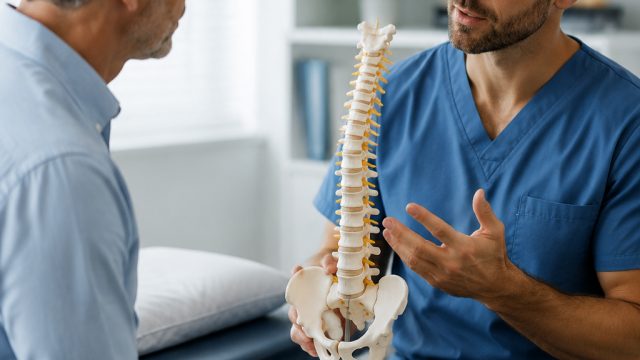
As we approach 2028, the landscape of spine care is predicted to shift dramatically. Rather than relying solely on advanced gadgets and high-tech solutions, leading experts are emphasizing the importance of practical innovations that enhance patient care. This realization emerged from discussions among top spinal surgeons at a recent healthcare conference, highlighting that the most significant advancements may not come from artificial intelligence or robotic surgeries, but from refining existing methods and improving basic practices.
The Shift from High-Tech to Practicality
At the Becker's Spine, Orthopedic and Pain Management-Driven ASC Conference, seasoned surgeons expressed a shared belief that the future of spine treatment will focus on optimizing the techniques and resources already available. While technology continues to play a crucial role in healthcare, it is the simple, unglamorous improvements that could lead to better outcomes for patients.
Understanding the Experts' Perspective
The conversations at the conference revealed that many surgeons are prioritizing fundamental aspects of treatment that directly impact patient recovery. Here are some key insights from the panel:
- Enhanced Communication: Surgeons believe that fostering better communication between medical staff and patients is paramount. This means ensuring that patients are fully informed about their procedures, recovery times, and any potential complications.
- Streamlined Processes: Improving the efficiency of surgical processes can significantly impact patient outcomes. By refining pre-operative protocols and post-operative care, healthcare facilities can enhance recovery times.
- Patient Education: Empowering patients with knowledge about their conditions and treatments can lead to more engaged individuals who are better prepared for surgery and recovery.
Why This Matters Now
With healthcare costs rising and the demand for effective treatments increasing, the emphasis on practical innovations in spine care comes at a crucial time. As hospitals and clinics seek ways to provide value while improving patient satisfaction, implementing straightforward strategies can lead to significant changes without the need for costly new technologies.
Addressing Healthcare Challenges
The healthcare industry is facing several challenges, including:
- Rising Costs: Patients and providers are looking for ways to limit expenses while maintaining high-quality care.
- Accessibility: Making spine care accessible to a broader population is essential for achieving equitable healthcare.
- Patient Outcomes: Focusing on measures that enhance recovery times and patient satisfaction can elevate the standard of care provided.
In this context, the expertise shared by surgeons at the conference serves as a guide for the evolution of spine care. By prioritizing fundamental innovations, healthcare providers can deliver effective interventions that are both efficient and economically sustainable.
Real-World Examples of Practical Innovations
Leading healthcare facilities are already embracing practical improvements in spine care, showcasing the potential for these strategies to transform patient outcomes:
- Proactive Pain Management: Institutions are implementing comprehensive pain management protocols that begin before surgery and continue throughout recovery.
- Telemedicine: The rise of telehealth services is making consultations and follow-ups more accessible for patients, reducing the need for in-person visits.
- Multidisciplinary Teams: Collaborative approaches involving various healthcare professionals enhance treatment planning and execution for better patient results.
Conclusion
The discussions at the Becker's conference highlight a significant shift in the perception of advancements in spine care. As the industry moves towards 2028, a concerted effort to focus on simple yet effective solutions may redefine patient experiences and outcomes in spine surgery. This shift is not just timely; it’s essential for the future of healthcare as we strive for improved efficiency, accessibility, and patient satisfaction in spine care.