
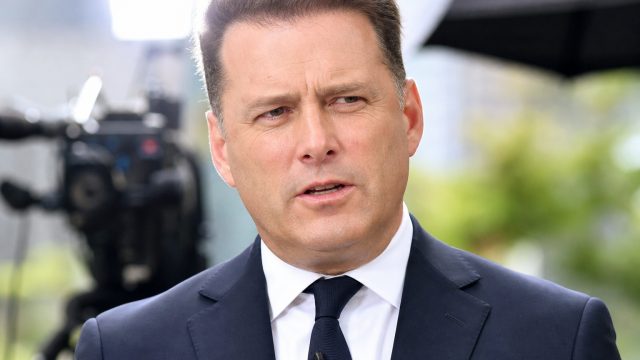
In a recent turn of events that has captured media attention, renowned television host Karl Stefanovic is reportedly in discussions to leave the Nine Network. This decision follows a contentious interview he conducted with an activist known for anti-immigrant sentiments, which has ignited heated debates across Australia. The implications of this situation extend beyond Stefanovic himself, influencing the broader media landscape and journalistic practices.
The Triggering Interview
The interview that led to this upheaval has raised eyebrows not just for its content but also for the public's reaction to it. Stefanovic, who has built a reputation as a leading figure in Australian journalism, found himself under scrutiny after engaging in a dialogue with a figure considered controversial. This encounter has been criticized for promoting divisive views and has prompted discussions on the responsibilities of journalists in handling such sensitive topics.
Public Backlash and Media Responsibilities
In today's hyper-connected world, the impact of media personalities on public opinion is profound. Stefanovic's interview has drawn significant backlash, with many viewers expressing their disapproval of the platform given to extremist views. This scenario raises critical questions regarding the ethical obligations of journalists and media networks to ensure that their content does not inadvertently support harmful ideologies.
- Need for responsible journalism in a polarized climate
- Impact of public opinion on media careers
- Role of media in shaping societal views
- Ethics of interviewing controversial figures
Stefanovic's Career Path Ahead
The potential exit of Stefanovic from Nine has sparked speculation about his future endeavors. As a well-recognized media figure, his next move will likely be closely watched. Will he pivot to another media outlet, venture into different fields, or take a break from the limelight altogether? Regardless of the path he chooses, one thing is certain: his actions will resonate within the industry for some time.
Possible New Avenues for Stefanovic
In light of the recent controversies, here are some potential directions that Stefanovic might explore:
- Political Commentary: Given his public standing, he could transition into a role that allows for deeper engagement in political discussions.
- Media Consulting: Leveraging his experience, he may consider advising new journalists on the complexities of media ethics and engagement.
- Documentary Filmmaking: A shift to storytelling through documentaries could allow him to tackle important social issues while maintaining journalistic integrity.
The Broader Media Implications
Stefanovic's potential departure from Nine is more than just a career change; it signals a pivotal moment in the Australian media industry. As audiences demand greater accountability and ethical standards from their media sources, networks are under pressure to adapt. Stefanovic's situation highlights the necessity for media professionals to navigate complex societal issues with care and precision.
Industry Reactions and Future Trends
Reactions from industry insiders indicate a growing concern over media practices in Australia. The following trends may emerge as a result:
- Increased Ethical Scrutiny: Media organizations might implement stricter guidelines regarding the interview subjects they choose to feature.
- Focus on Inclusivity: There may be a push for more representation and discussions surrounding marginalized communities.
- Rise of Alternative Media: Digital platforms may offer journalists more freedom to explore contentious topics without the constraints of traditional networks.
Conclusion
Karl Stefanovic's potential exit from the Nine Network raises significant questions about the responsibilities of media figures and the impact of their decisions on public perception. As he navigates this pivotal moment in his career, the media landscape is poised for potential shifts that could redefine how journalism is practiced and perceived in Australia. Observers will be keen to see how these developments unfold and what they mean for the future of media in a rapidly changing world.