
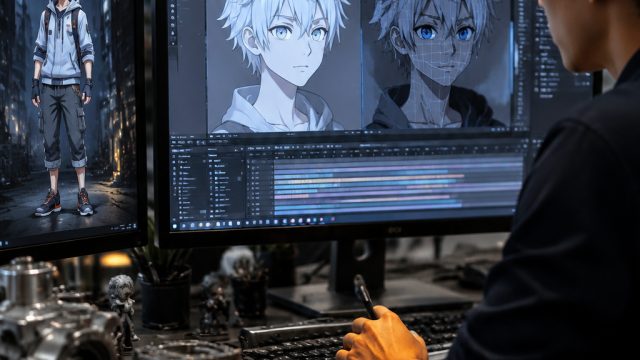
The evolution of anime has always been a captivating journey, marked by technological advancements and creative experimentation. Recently, the emergence of 3D animation techniques has significantly impacted the anime industry, introducing new dimensions to storytelling and visual aesthetics. As audiences crave innovative experiences, understanding the current trends in 3D animation is crucial for enthusiasts and creators alike.
Why 3D Animation is Gaining Popularity in Anime
Traditional 2D animation has long been the hallmark of anime, but the integration of 3D animation techniques is proving to be a game changer. Several factors contribute to this shift:
- Enhanced Visual Appeal: 3D animation allows for more dynamic visuals, including intricate backgrounds and fluid character movements that are harder to achieve in 2D.
- Greater Creative Freedom: Artists can explore new styles and effects, blending 3D elements seamlessly with 2D designs.
- Cost Efficiency: Utilizing 3D technology can reduce production time and costs, making it appealing for studios looking to maximize their budgets.
Current Innovations in 3D Animation Techniques
As the anime landscape evolves, several innovative techniques in 3D animation are making waves. Here are some noteworthy advancements:
Real-Time Rendering
Real-time rendering technology allows creators to visualize their animations instantly. This not only speeds up the production process but also fosters collaboration among teams. Artists can adjust animations on-the-fly, ensuring that every detail meets their creative vision.
Cinematic Quality CGI
With the growth of CGI capabilities, anime creators can produce high-quality visuals that rival feature films. This shift is evident in popular series that utilize advanced lighting and texture mapping to create realistic environments and character designs.
Hybrid Animation Styles
The blending of 3D and 2D elements is becoming increasingly common. This hybrid approach enables studios to create unique visual styles that capture audiences’ attention. It makes it possible to retain the charm of traditional techniques while incorporating the depth and dimension provided by 3D technology.
Impact on Storytelling and Audience Engagement
The integration of 3D animation isn’t just a technical advancement; it also transforms how stories are told in anime. Here’s how:
- Immersive Experiences: The use of 3D elements enhances viewer immersion, drawing audiences deeper into the narrative.
- Dynamic Action Sequences: 3D animation allows for more complex action scenes, making fight sequences more thrilling and visually captivating.
- Character Development: The visual depth provided by 3D animation can add layers to character development, allowing for more nuanced emotional expressions.
The Future of 3D Animation in Anime
As the demand for quality content grows, the future of 3D animation in anime looks promising. From video game adaptations to original series, the potential for innovation is vast. Here’s what we might expect:
- Increased Collaboration: As technology advances, we may see more collaborations between anime studios and video game developers, leading to cross-genre projects that utilize the best of both worlds.
- Expanded Accessibility: With the rise of streaming platforms, high-quality 3D anime may become more accessible to global audiences, fostering international fandoms.
- Enhanced Viewer Interaction: Future projects may explore interactive storytelling, allowing viewers to influence the narrative through choices in 3D environments.
Conclusion
In conclusion, the rise of 3D animation techniques in anime is reshaping the industry and redefining how stories are told. As technology continues to evolve, so too will the possibilities for creative expression. For fans and creators alike, staying informed about these trends is essential to navigate the ever-changing landscape of anime. Embrace the future of animation—it's an exciting time to be part of this vibrant community!