
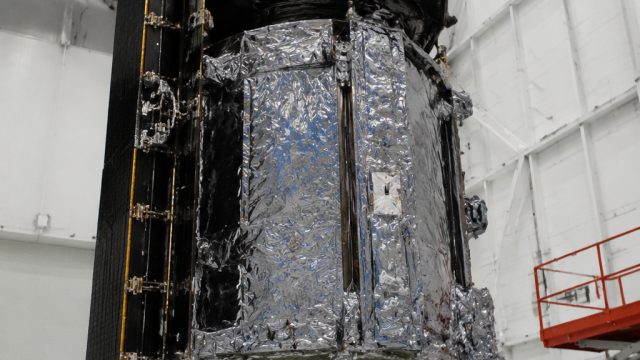
NASA has taken a significant step forward in its exploration of the universe with the recent arrival of the Nancy Grace Roman Space Telescope at the Kennedy Space Center in Florida. This milestone, which occurred on June 21, 2026, marks the beginning of an exciting phase leading up to its anticipated launch. Set against a backdrop of innovation and discovery, the Roman Telescope is poised to revolutionize our understanding of the cosmos.
The Arrival: What It Means for Space Science
The arrival of the Roman Space Telescope at the Kennedy Space Center is not just a logistical achievement; it represents a pivotal moment for scientists and astronomers around the globe. This state-of-the-art instrument will enable unprecedented observations of distant galaxies, exoplanets, and cosmic phenomena. With its advanced capabilities, the Roman Telescope is designed to address some of the most pressing questions in astrophysics today.
Key Features of the Roman Telescope
- Wide Field of View: Unlike its predecessors, Roman offers a wide field of view, allowing it to survey large areas of the sky quickly.
- High Sensitivity: Equipped with cutting-edge technology, it can detect faint celestial objects that have previously eluded observation.
- Strong Imaging Capabilities: The telescope is designed to capture stunning images, enriching our visual understanding of the universe.
Upcoming Launch Plans
Following its arrival, the Roman Telescope will be housed in the Payload Hazardous Servicing Facility, where it will undergo essential processing before the launch, scheduled for no earlier than August 30, 2026. This timeline is crucial, as it aligns with the broader objectives of NASA's astrophysics missions, emphasizing the importance of precise planning and execution in the world of space exploration.
Why This Launch is Timely
As we stand on the brink of a new era in astrophysics, the ramifications of the Roman Telescope's mission resonate profoundly with both scientists and enthusiasts alike. The urgency of this mission is underlined by current global interest in space exploration and technological advancements. With a growing community of researchers and space enthusiasts, the telescope's findings could foster new collaborations and inspire future generations.
Potential Scientific Discoveries
The Roman Telescope is expected to contribute significantly to various fields of study. Here are a few potential discoveries it could help facilitate:
- Dark Energy and Dark Matter: One of the primary goals of the Roman Telescope is to shed light on the mysteries surrounding dark energy and dark matter, which constitute a majority of the universe's content.
- Exoplanet Research: The telescope will provide critical data on the atmospheres of exoplanets, expanding our understanding of planetary systems.
- Galaxy Formation: By observing the formation and evolution of galaxies, scientists hope to unlock secrets about the early universe.
Engaging the Public
NASA is committed to making the mission of the Roman Telescope accessible to the public. Various outreach programs are planned to engage audiences worldwide, ensuring that the excitement of space exploration is shared among all. Educational initiatives will provide insights into the telescope's research objectives and findings, encouraging interest in STEM fields.
How You Can Stay Updated
For those eager to follow the mission closely, NASA provides a variety of resources, including:
- Official NASA Website: Regular updates on the Roman Telescope's status and findings.
- Social Media Channels: Engaging content and live updates on mission milestones.
- Webinars and Online Events: Opportunities to interact with scientists and learn more about ongoing research.
Conclusion: A New Horizon in Space Exploration
The arrival of the Nancy Grace Roman Space Telescope marks a momentous occasion, heralding a new chapter in our quest to unravel the mysteries of the universe. As it undergoes preparations at the Kennedy Space Center, the excitement builds for what is sure to be a groundbreaking mission. By keeping a close eye on this initiative, space enthusiasts and the scientific community alike can anticipate a wealth of knowledge that will deepen our understanding of the cosmos for years to come.