
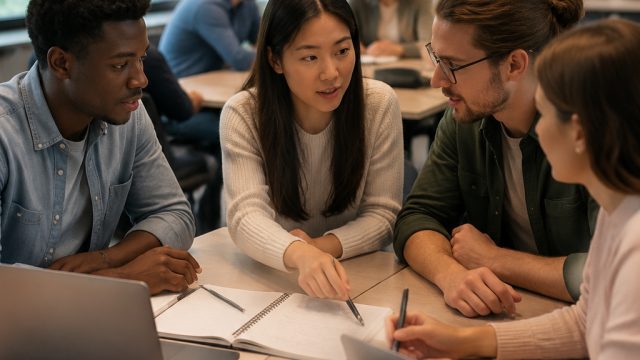
The sound of a classroom is much more than just background noise; it embodies the pulse of learning, interaction, and collaboration among students. As we dive into the exploration of how collaborative efforts shape the sonic atmosphere of educational settings, it's essential to understand why recognizing and enhancing these sounds matters now more than ever.
The Sonic Identity of a Classroom
Every classroom has its unique sound—a blend of laughter, discussions, group work, and sometimes even silence. This auditory tapestry is crafted by the interactions between students and teachers, reflecting the collaborative spirit of the learning environment.
Why Classroom Sounds Matter
- Enhances Learning: Positive sounds can boost student engagement, making lessons more memorable.
- Fosters Connection: The sounds of collaboration help build relationships among peers, enhancing social skills.
- Encourages Participation: A lively classroom soundscape promotes active participation and inclusivity.
Creating a Sound-Friendly Environment
To foster an environment that embraces the unique sounds of collaboration, educators need to be mindful of creating a sound-friendly space. Here are several strategies:
1. Encourage Group Work
Group activities naturally generate sound through conversation and cooperation. These interactions can lead to deeper understanding and retention of material. Incorporating more group projects can enhance the classroom's sonic experience, allowing students to learn from one another.
2. Utilize Music and Soundscapes
Integrating background music or soundscapes during independent work can create a calming atmosphere, which may enhance focus and foster creativity. Music can also serve as a powerful tool to set the tone for various lessons—energetic for brainstorming sessions and soothing for reflection periods.
3. Establish Clear Communication Channels
Effective communication is key to a well-sounding classroom. Establishing norms around raising hands, speaking turns, and encouraging all voices to be heard can create a harmonious environment where students feel safe to express their ideas.
The Classroom as a Community Soundscape
Understanding the sound of a classroom involves recognizing it as a community space. Each student contributes to the overall sound, and educators play a crucial role in shaping that experience. The combination of diverse voices creates a rich soundscape that represents the classroom's collective identity.
The Impact of Technology on Classroom Sounds
As classrooms evolve with technology, the sound of education is also changing. Tools such as digital platforms for remote learning introduce new sounds into the educational experience. Here’s how technology influences classroom sound:
- Interactive Learning: Virtual platforms allow for dynamic discussions, albeit in a different auditory format than traditional settings.
- Auditory Learning Tools: Applications that utilize sound can engage auditory learners and cater to diverse learning preferences.
- Remote Collaboration: Digital communication can maintain the collaborative spirit even when students are miles apart.
Conclusion: Embracing the Sound of Learning
The unique sound of a classroom is a critical component of the learning experience. It serves as a reflection of student engagement, collaboration, and community. As educators and students alike recognize the importance of these sounds, we can create richer educational environments that not only promote learning but also celebrate the diversity of voices within them. Harnessing the power of sound in classrooms today will continue to shape the way knowledge is shared and retained in the future.