
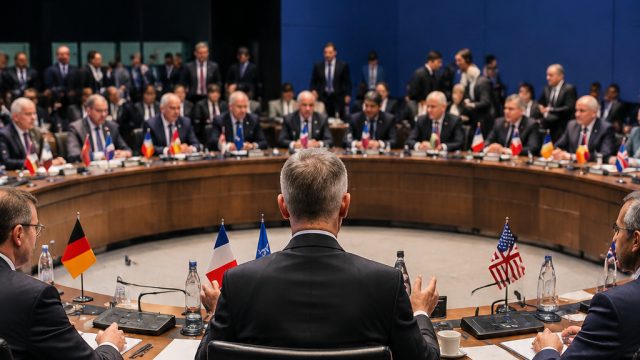
As the NATO summit approaches, tensions are rising amid international crises, particularly surrounding Iran. The alliance faces the challenge of aligning its diverse member states while also addressing the expectations of key players like former President Donald Trump. This wave of diplomatic maneuvers is essential to ensure a united front at the forthcoming discussions.
Building Bridges: NATO and U.S. Relations
The complexity of NATO's relationships with the United States cannot be overstated, especially in light of recent geopolitical tensions. The organization finds itself in a precarious position, requiring skilled diplomacy to communicate effectively with the U.S. while managing the apprehensions of other member nations.
Understanding Trump's Perspective
Trump's unique approach to foreign policy has often left traditional diplomatic routes in disarray. His focus on America’s interests sometimes contrasts sharply with NATO’s collective goals. The current dialogue seeks to highlight shared objectives to reduce friction.
- Support for Military Funding: Trump has emphasized the importance of increased defense spending among NATO allies.
- Collective Defense Strategy: The NATO principle that an attack on one is an attack on all remains a cornerstone, but clarity is needed on its application.
- Global Stability and Peacekeeping: The necessity of cooperation in regions of conflict, like the Middle East, is under scrutiny.
The Iranian Situation: A Catalyst for Diplomacy
Ongoing conflicts in Iran have intensified the need for NATO to present a united stance. The outcomes of the summit could significantly affect military strategies and alliances moving forward.
Potential Impacts on Member Nations
NATO's ability to navigate these discussions impacts not only the alliance’s military strategies but also the national interests of its member states. The following aspects are critical:
- Regional Security: Allies must communicate their defense strategies and how they intersect.
- Political Pressure: Member nations are under pressure to respond to domestic agendas while adhering to NATO principles.
- Economic Considerations: The financial aspects of military commitments are becoming more scrutinized.
Future Implications for NATO
As NATO prepares for this pivotal summit, the organization stands at a crossroads. The effectiveness of its diplomatic strategies will play a crucial role in shaping the future of military alliances and international cooperation.
Adapting to Evolving Challenges
The necessity for adaptation is paramount. NATO’s recent outreach efforts aim to reinforce its position as a leading authority in global security, focusing on:
- Strengthening Alliances: Collaborations with non-member states could be explored to enhance global security.
- Innovation in Defense: Embracing technological advancements to bolster military capabilities.
- Communications Strategy: Enhancing public messaging to foster transparency and unity among member nations.
Conclusion: A United Front for Global Security
The upcoming NATO summit promises to be a decisive moment for the alliance. With pressing international issues and shifting political landscapes, the ability to present a cohesive and united front is paramount. As leaders come together to navigate these challenges, the effectiveness of their discussions will resonate beyond the summit, shaping the future of military cooperation across the globe.