
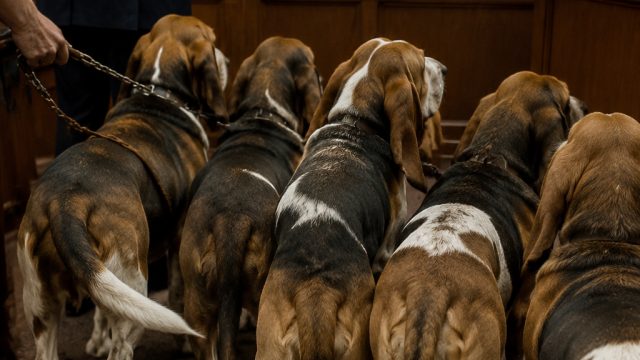
Historic Ruling: First Conviction of a Basset Pack Under Hunting Law
In a watershed moment for animal rights advocacy, the Devon and Somerset Bassets became the first basset pack to face legal repercussions under the Hunting Act, as a court ruling on June 18, 2026, found huntsman Charlie Ford guilty of an offence committed in October 2024. This unprecedented conviction not only highlights the growing scrutiny on hunting practices but also signals a pivotal shift in wildlife law enforcement in the UK.
The Case That Changed Everything
The incident occurred on October 13, 2024, at Mullins Farm in Bagber, where evidence suggested that the basset pack engaged in activities that violated the Hunting Act. The conviction at Weymouth Magistrates’ Court marks a significant milestone in the ongoing battle against hunting and wildlife cruelty. Advocacy groups like the Hunt Saboteurs Association have long called for stricter enforcement of hunting laws, and this ruling serves as a rallying cry for their efforts.
What Happened on That Day?
- The basset pack was reported to have been involved in hunting activities that raised concerns regarding legality.
- Witnesses provided key testimonies that led to the investigation.
- Legal representatives argued that this case represents a broader issue of hunting ethics in modern society.
Why This Matters Now
As society increasingly places importance on animal rights, the implications of this conviction extend beyond just one pack. It raises critical questions about hunting practices and the responsibilities of those involved. With the ongoing debates surrounding wildlife conservation and ethical hunting, this case could serve as a precedent for future legal actions against similar practices.
The Growing Demand for Change
Public sentiment has shifted dramatically towards more humane treatment of animals, with calls for change resonating across various communities. The outcome of this case may inspire further legal challenges against hunting packs and could eventually lead to stricter regulations governing hunting in the UK.
What Experts Are Saying
Legal experts and animal rights activists have weighed in on this groundbreaking ruling:
- Dr. Emily Watson, Wildlife Law Specialist: "This conviction is a defining moment not just for the basset pack but for all hunting practices in the UK. It sets a precedent that could lead to a more rigorous application of the Hunting Act."
- John Thompson, Animal Rights Advocate: "We see this as a long-awaited victory for wildlife protection and a clear message that hunting violations will not be tolerated."
The Road Ahead
Looking forward, the implications of the Devon and Somerset Bassets case could catalyze a shift in hunting laws across the country. The pursuit of more robust protections for wildlife is gaining momentum, and this conviction may embolden other advocates to continue fighting for change. The legal framework regarding hunting is still evolving, and many stakeholders are closely watching the outcomes of future cases.
Potential Legislative Changes
In light of this conviction, lawmakers may feel pressured to reevaluate existing hunting laws and explore more comprehensive wildlife protection measures. Possible changes could include:
- Stricter penalties for hunting violations.
- Enhanced oversight and accountability for hunting packs.
- Increased support for wildlife conservation initiatives.
Conclusion
The historic conviction of the Devon and Somerset Bassets emphasizes the growing recognition of animal rights and the need for responsible hunting practices. This case not only illustrates the effectiveness of advocacy groups but also serves as a turning point in the legal landscape surrounding hunting in the UK. As public awareness continues to rise, the pressure for reform in hunting laws will likely increase, paving the way for future advancements in wildlife protection.