
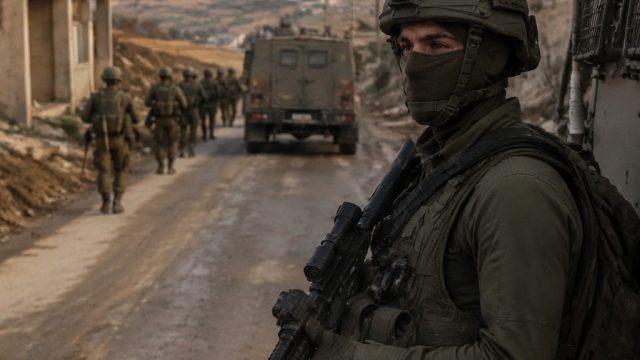
The Israeli Defense Minister, Israel Katz, has recently made it clear that Israeli troops will maintain their presence in southern Lebanon. This declaration, echoing the stance of Prime Minister Benjamin Netanyahu, poses significant challenges to ongoing peace negotiations with Iran and may have far-reaching implications for regional stability.
Background on the Current Situation
The ongoing conflict in Lebanon has its roots in decades of tension between Israel and various groups within Lebanon, notably Hezbollah. The presence of Israeli troops in southern Lebanon has historically been a contentious issue, often leading to escalated tensions and violence. Recent statements from Israeli officials indicate that the military will not withdraw, despite hopes for diplomatic resolutions.
Israel's Position
During a recent interview in Tel Aviv, Defense Minister Katz emphasized the need for Israeli forces to remain in place to ensure national security. This perspective highlights Israel's ongoing concerns about Hezbollah and other militant groups that threaten its borders. The refusal to withdraw may be seen as a strategic move to maintain leverage in negotiations with both Iran and local Lebanese factions.
The Role of Iran
Iran has long viewed the conflict in Lebanon as a critical front in its broader regional strategy. The Islamic Republic seeks to bolster its influence by aligning with groups like Hezbollah. The current military presence of Israeli troops complicates these dynamics, creating a challenging environment for diplomatic overtures. While Tehran may desire peace, it is also unlikely to back down in the face of perceived Israeli aggression.
Impact on Peace Negotiations
The stalemate caused by Israel's military presence complicates not just bilateral relations with Lebanon but also the broader peace process involving various stakeholders, including the United States. As efforts to engage Iran in dialogue continue, the situation in Lebanon remains a significant obstacle.
Potential Consequences
- Increased Tensions: The status quo may lead to rising tensions between Israel and Hezbollah, potentially resulting in military confrontations.
- Diplomatic Strains: Israel's decision to stay entrenched in southern Lebanon could strain its relationships with allies advocating for peace.
- Regional Instability: The ongoing conflict may encourage other regional players to intervene, further complicating the situation.
Looking Ahead: What’s Next?
The current situation in Lebanon demands urgent attention from policymakers and analysts alike. As the world watches the developments, it’s crucial to assess how Israel's military strategies will influence the peace process and the stability of the region. A proactive approach that seeks to integrate military presence into a broader strategy for peace may be necessary.
Strategies for Diplomatic Engagement
Potential strategies to move forward might include:
- Multilateral Talks: Engaging multiple stakeholders in talks to address the concerns of all parties involved.
- Confidence-Building Measures: Implementing measures that foster trust between Israeli and Lebanese forces could reduce tensions.
- International Mediation: Leveraging international bodies to facilitate discussions may help bridge gaps between conflicting parties.
Conclusion
Israel's commitment to maintaining its military presence in southern Lebanon is a critical development with significant implications for peace negotiations in the region. As diplomatic efforts continue, the international community must remain vigilant and proactive, seeking avenues to promote stability and dialogue. The complexity of the situation underscores the necessity for innovative solutions and sustained engagement from all parties involved.