
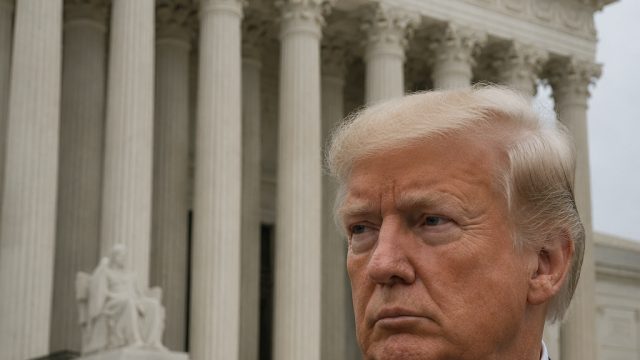
In a significant legal development, a federal appeals court has ruled against former President Donald Trump's attempt to obtain confidential voter roll data from Michigan. This decision is pivotal in the ongoing discussions surrounding election integrity and the access to personal information of voters. As we see heightened scrutiny on electoral processes nationwide, the implications of this ruling resonate well beyond Michigan.
Background on the Case
Following the 2020 presidential election, Trump’s administration initiated numerous legal challenges claiming widespread voter fraud. One such effort involved pressing the state of Michigan to release its voter rolls. The argument hinged on the assertion that this information was essential for identifying potential irregularities. However, the appeals court's ruling underscores a robust defense of voter privacy and the integrity of electoral processes.
The Court's Rationale
In its decision, the federal appeals court emphasized that the state's interest in protecting the confidentiality of its voters outweighed the demands for transparency purported by the Trump administration. The court highlighted that such public demand must not infringe upon citizens' rights to privacy, especially concerning sensitive personal data.
Implications for Voter Privacy
This ruling marks a crucial moment in the conversation about voter privacy and data security. In an age where personal information is increasingly at risk of exploitation, protecting voter data from undue scrutiny is vital. The court's decision serves as a legal precedent that may influence similar cases in other states.
- Affirms the protection of voter confidentiality.
- Sets a legal precedent for future cases regarding voter data access.
- Highlights the balance between transparency and privacy.
National Response
The reaction to this ruling has been mixed across political lines. Advocates for election integrity praise the decision as a victory for voters, emphasizing that safeguarding personal information is paramount. Conversely, some critics argue that withholding data hinders the verification of electoral fairness. This tension reflects the broader national debate about voting practices and the necessary measures to ensure trust in electoral outcomes.
Future Legal Challenges
The outcome of this case is likely to influence future legal battles concerning voter data access. With upcoming elections on the horizon, the stakes are high. States may face increased pressure to disclose voter information, while courts will need to navigate between demands for transparency and the essential rights of privacy.
Looking Ahead
As the landscape of American politics continues to evolve, this ruling serves as a reminder of the complexities involved in maintaining electoral integrity while respecting individual rights. Legal experts anticipate more challenges surrounding voter data as various stakeholders seek to navigate the intricate balance of transparency and privacy.
Conclusion
The ruling by the federal appeals court against Trump’s request for Michigan's voter rolls is a significant moment in the ongoing dialogue about election integrity and voter privacy. As we look towards future elections, the principles established in this case will likely guide the ongoing discussions and legal frameworks surrounding the access and protection of voter data. It is imperative that as citizens, we remain vigilant in advocating for our rights while also ensuring that our electoral processes are fair and transparent.