
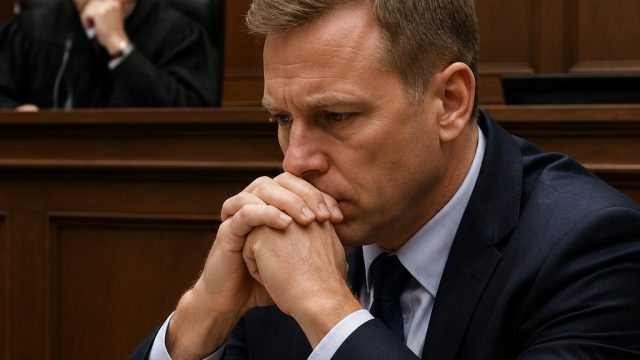
In a significant development this week, a former police officer from Juneau has petitioned for the dismissal of a civil lawsuit stemming from a violent arrest incident that took place last year. This motion, filed by the officer's attorney, centers around the contentious legal doctrine of qualified immunity, which could shield law enforcement personnel from liability under certain circumstances.
The Incident that Sparked Controversy
The incident in question involved a violent arrest, drawing considerable public scrutiny and raising questions about police conduct in general. Many in the community have voiced concerns about the methods employed by law enforcement, prompting discussions about accountability and transparency.
What Happened During the Arrest?
- The officer was involved in a confrontation with a suspect that escalated quickly.
- Witness reports indicate that excessive force may have been used during the arrest.
- The ensuing public outcry led to calls for a thorough investigation into the officer's actions.
Legal Landscape: What is Qualified Immunity?
Qualified immunity is a legal doctrine that protects government officials, including police officers, from being sued for actions taken in the course of their official duties unless it can be shown that they violated clearly established statutory or constitutional rights. Here’s why this matter is critical:
- Protection of Officers: It allows officers to perform their duties without fear of personal liability for split-second decisions made in high-pressure situations.
- Accountability Issues: Critics argue that it often enables officers to escape accountability, even in cases of misconduct.
- Public Trust: This doctrine impacts the relationship between law enforcement agencies and the communities they serve, influencing public perception of police legitimacy.
Community Reaction and Implications
The response from the Juneau community has been mixed. While some support the officer, believing in the challenges faced by law enforcement, others are demanding accountability and a re-evaluation of police practices. This case could potentially set a precedent for how similar cases are handled in the future.
Concerns Among Residents
Local residents have expressed various concerns regarding the incident and its implications, including:
- A growing fear of police overreach and use of excessive force.
- Questions about the reliability of internal investigations within police departments.
- A call for greater community oversight of law enforcement practices.
Next Steps: What Lies Ahead?
The motion for dismissal is just the beginning of what promises to be a lengthy and controversial legal battle. If the superior court grants this motion, it could lead to significant implications not only for the former officer but for the broader legal framework governing police conduct.
Potential Outcomes
- Dismissing the Case: If the judge rules in favor of the officer, this could reinforce the qualified immunity doctrine and potentially limit future civil rights claims against law enforcement.
- Proceeding to Trial: Should the court deny the motion, the case may head to trial, shedding light on the specifics of the incident and possibly influencing public perception.
The Broader Consideration
This case highlights the ongoing debates around law enforcement accountability and the protections afforded to police officers. As communities grapple with issues of trust and safety, the outcome of this case may reverberate beyond Juneau, influencing similar cases nationwide.
Why This Matters Now
In an era of heightened scrutiny surrounding police practices, this civil case serves as a focal point for discussions about the balance between law enforcement duties and community rights. As advocates push for reform, the outcome could have lasting implications for both police policies and public trust in law enforcement.
Conclusion
The former Juneau officer's pursuit of a case dismissal not only raises essential questions about qualified immunity but also reflects broader societal concerns about police conduct. As the legal proceedings unfold, the implications for law enforcement accountability and community relations remain critical points of discussion. The public will undoubtedly be watching closely as this story develops.