
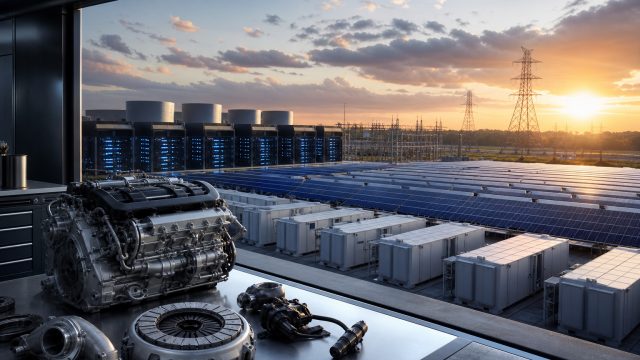
As technological advancements continue to reshape industries, one segment is emerging as a significant contributor to the future of energy consumption in Australia: data centers. According to a recent roadmap released by the national network operator, these facilities are expected to play a pivotal role in nearly doubling the country's electricity consumption by the year 2050. This surge in demand poses both challenges and opportunities for policymakers, energy providers, and consumers alike.
The Rise of Data Centers in Australia
Data centers serve as the backbone of the digital economy, housing the servers that process and store vast amounts of information. With the increasing reliance on cloud computing, remote work, and online services, the demand for data processing power has surged exponentially. In Australia, the trend is no different. Industry experts estimate that the power needs generated by data centers could account for a larger share of national electricity use than any other sector.
Understanding the Impact of Increased Power Demand
The projected growth in electricity consumption driven by data centers will undoubtedly impact Australia's energy infrastructure. Several critical factors contribute to this shift:
- Technological Advancement: The rise of artificial intelligence (AI) and machine learning technologies requires more computing power.
- Cloud Services Expansion: As more businesses transition to cloud-based operations, the demand for data storage will increase.
- Smart Devices and IoT: The proliferation of Internet of Things (IoT) devices will further drive data center requirements.
Challenges Ahead for Energy Providers
While the data center boom presents opportunities for innovation and economic growth, it also poses significant challenges for energy providers. The major concerns include:
- Infrastructure Strain: Existing energy infrastructure may struggle to accommodate the projected increase in demand.
- Sustainability Concerns: The environmental impact of increased power generation needs careful consideration.
- Regulatory Framework: The need for updated policies and regulations to address the rapidly changing landscape.
Strategies for Sustainable Energy Solutions
In response to these challenges, energy providers and government agencies are exploring several strategies to ensure a sustainable energy future:
- Investment in Renewable Energy: Increasing the share of renewable sources like solar and wind in the energy mix.
- Enhancing Energy Efficiency: Implementing energy-efficient technologies within data centers to reduce overall consumption.
- Upgrading Infrastructure: Modernizing existing power grids to handle increased loads.
The Role of Policy and Innovation
Effective policies will be crucial in shaping how Australia navigates the impending energy transition. Collaboration between government and industry stakeholders will be vital in developing comprehensive strategies that address both the economic potential and environmental responsibilities associated with data centers.
Looking Toward the Future
As Australia gears up for a future dominated by data-driven technologies, the impact of data centers on energy consumption cannot be overstated. The trends observed today serve as a glimpse into the energy landscape of tomorrow, where advancements in technology and shifts in consumer behavior will dictate power needs.
Conclusion
The ongoing evolution of data centers signifies a major shift in how energy is consumed in Australia. With projections indicating a near doubling of electricity demand by 2050, stakeholders must act now to prepare for this monumental change. Emphasizing sustainability and innovation will be key in meeting future energy needs while supporting economic growth. Staying informed about these developments will ensure that consumers and businesses alike are ready for the energy demands of the future.