
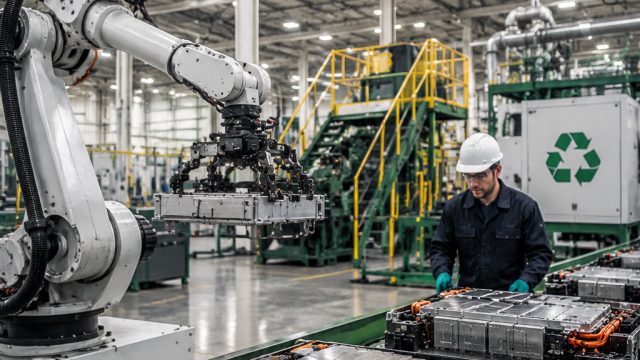
The landscape of electric vehicle (EV) sustainability is set to change dramatically with the recent inauguration of the world's largest EV battery repurposing megafactory located in British Columbia. Announced just six weeks ago by Moment Energy, this state-of-the-art facility aims to tackle a pressing issue in the automotive industry: the environmentally responsible disposal and repurposing of EV batteries.
Why Battery Recycling is Crucial Now
As the demand for electric vehicles continues to soar, so does the challenge of managing end-of-life batteries. With millions of EVs projected to be on the roads in the next decade, the need for effective battery recycling has never been more urgent. This new facility provides a timely solution by transforming used EV batteries into reliable power sources for various applications, thereby reducing waste and promoting sustainability.
The Megafactory's Vision and Goals
- Repurposing Batteries: The facility focuses on extending the life cycle of EV batteries, allowing them to be reused in less demanding applications.
- Environmental Impact: By recycling these batteries, the facility minimizes toxic waste and contributes to cleaner energy solutions.
- Job Creation: The launch of the megafactory is expected to create numerous job opportunities in the local community, promoting economic growth.
A Closer Look at the Technology
Moment Energy's new facility utilizes cutting-edge technology to process and repurpose EV batteries efficiently. The process involves several key steps:
1. Battery Collection and Assessment
Used batteries are collected from various sources and undergo a thorough assessment to determine their viability for repurposing. This ensures that only suitable batteries are processed, enhancing the facility's efficiency.
2. Advanced Repurposing Techniques
Once assessed, the selected batteries are reconfigured for new applications. Some potential uses include:
- Energy storage systems for homes and businesses
- Backup power solutions for critical infrastructure
- Integration into renewable energy grids
3. Ensuring Safety and Compliance
Safety is paramount in battery recycling. The facility adheres to stringent environmental regulations and employs safety protocols to protect workers and the surrounding ecosystem.
The Broader Implications for the EV Market
The establishment of this megafactory could signal a shift in how the automotive industry approaches battery lifecycle management. Several implications include:
- Reduction of Raw Material Dependency: By recycling existing batteries, manufacturers can lessen their reliance on new raw materials, leading to more sustainable production practices.
- Cost Efficiency: Repurposed batteries can be a cost-effective alternative for energy storage, allowing businesses and consumers to save on energy costs.
- Innovation in EV Development: As recycling technology advances, it could inspire new innovations in battery design, leading to longer-lasting and more efficient batteries.
A Future Focused on Sustainability
The launch of the world's largest EV battery recycling facility in British Columbia represents a pivotal moment for the EV industry and the planet. It underscores a growing commitment to sustainable practices and reflects the urgent need for effective solutions to manage the environmental impact of electric vehicles. As the facility begins operations, it is poised to become a model for similar initiatives globally, paving the way for a greener future.
Conclusion
With the opening of this innovative megafactory, Moment Energy is not only addressing the urgent challenge of battery disposal but also leading the charge towards a more sustainable automotive future. The implications of this facility stretch beyond its immediate function, potentially reshaping the EV landscape and contributing significantly to environmental efforts worldwide. As we move forward, the collaboration between technology and sustainability will be vital in ensuring a cleaner and greener planet for generations to come.