
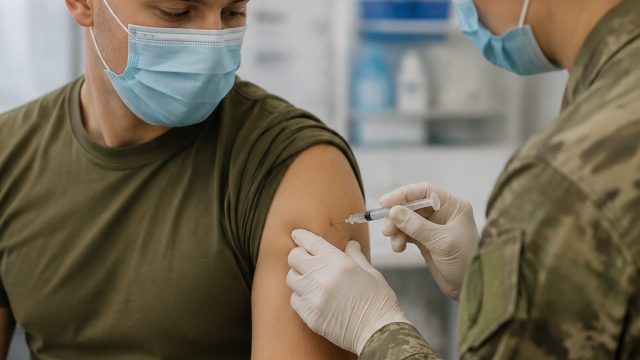
In a significant policy shift, the Pentagon has announced the reinstatement of mandatory flu vaccinations for all military recruits. This decision comes in response to a recent outbreak at an Air Force base, where nearly 300 individuals reported illness, prompting urgent action to protect the health of service members.
The Context of the Outbreak
The outbreak occurred at a basic training facility in the United States, where the number of infected recruits surged alarmingly after flu vaccinations were made optional. This situation has raised serious concerns among military leaders about the potential impact on troop readiness and overall health.
Reasons Behind the Reinstatement
- Health Risks: The flu can cause severe complications, especially in densely populated environments like military barracks.
- Operational Readiness: A healthy force is crucial for national security, and widespread illness can hinder military operations.
- Historical Precedents: The military has a long history of vaccination requirements to combat infectious diseases, ensuring troop safety and effectiveness.
Implications for Military Recruits
For new recruits, this reinstated mandate means that receiving a flu shot will now be a part of their basic training regimen. This policy reflects the military's commitment to safeguarding the health of its members, particularly in light of the recent outbreak.
How Recruits Are Responding
Responses from recruits and their families have varied. While some understand the necessity of vaccines in maintaining health standards, others express concerns over personal choice and medical freedoms. The military aims to balance these viewpoints while prioritizing collective health.
The Broader Impact on Public Health
The military's decision to mandate flu shots could have ripple effects beyond just the armed forces. As the nation navigates public health challenges, this move might influence civilian vaccination efforts. With flu season approaching, encouraging vaccinations could prove pivotal in managing overall health risks.
Potential for Future Policies
As the military assesses the situation, there may be further discussions about vaccine mandates for other diseases known to affect health readiness. Monitoring how this policy unfolds will be crucial for understanding its effectiveness and public acceptance.
Conclusion: A Step Toward Health Security
The Pentagon's reinstated flu vaccine requirement illustrates a proactive approach to ensuring the health and readiness of military personnel. As the nation grapples with public health challenges, this decision underscores the importance of vaccination in protecting both service members and the communities they serve. The military's commitment to health safety may set a precedent for other organizations and sectors, emphasizing that in health matters, collective responsibility is paramount.