
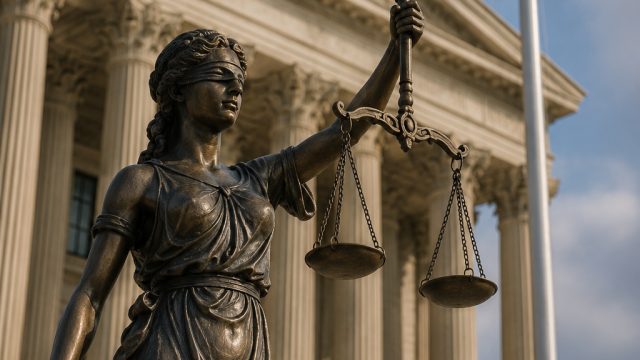
In a landmark decision, a federal appeals panel has ruled in favor of protecting Michigan's voter data from federal demands, igniting discussions about election integrity and voter privacy in the age of digital information. This ruling comes at a crucial time as voters are increasingly concerned about how their personal information is handled, especially in light of recent controversies surrounding election security.
The Case Background
The case stemmed from previous requests made by the Trump administration for access to sensitive voter roll data across various states, including Michigan. The administration's claims were largely based on unsubstantiated allegations of widespread fraud during the 2020 elections. As the legal battle unfolded, many states pushed back against these requests, emphasizing the importance of safeguarding voter information.
Federal Appeals Panel Decision
On [insert date], the appeals court delivered a decisive ruling, reinforcing Michigan's right to withhold voter data from federal agencies. This decision was welcomed by voter rights advocates, who argue that the integrity of the voting process relies heavily on protecting individual privacy.
- Strengthened voter privacy laws
- Increased scrutiny on government overreach
- Heightened awareness of election security issues
Implications for Future Elections
The implications of this ruling extend beyond Michigan's borders, setting a precedent for how other states may respond to similar federal requests in the future. As states navigate the complex landscape of election security, this decision may encourage other jurisdictions to enact stricter regulations around voter data privacy.
National Conversation on Voter Privacy
This ruling contributes to the ongoing conversation about the delicate balance between governmental oversight and individual rights. As technologies evolve, so too must our approaches to data governance, particularly in the realm of electoral processes.
Public Response and Perspectives
The reaction from the public and various stakeholders has been overwhelmingly supportive of the court's decision. Many citizens express relief that their personal information will not be subjected to unwarranted federal scrutiny, while advocacy groups are calling for more states to follow suit and prioritize voter privacy.
- Support for privacy-focused legislation
- Calls for transparency in data handling
- Increased civic engagement on election issues
Conclusion
As we move towards the next election cycle, the Michigan court's ruling serves as a critical reminder of the ongoing battle between governmental authority and individual rights. Protecting voter data is not just a legal obligation; it is a moral imperative that ensures the legitimacy and integrity of the democratic process. The conversation surrounding voter privacy is likely to intensify, especially as more states consider their own policies in light of this impactful decision. Stakeholders must remain vigilant to ensure that voter privacy is prioritized in every election.