
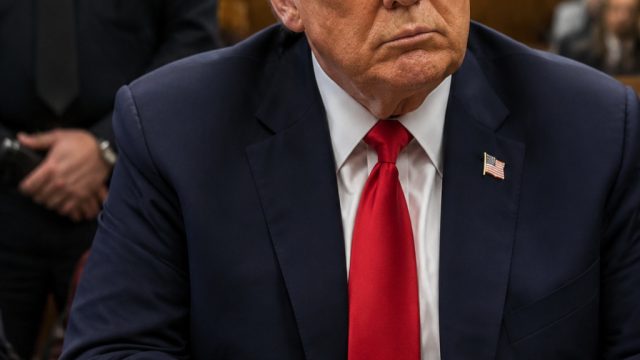
In a significant turn of events, recent legal rulings have put a damper on efforts by former President Trump to implement controversial voter registration measures. These developments not only cast doubt on the future of voter registration practices but also highlight ongoing tensions in American politics. Understanding these rulings and their implications is crucial, as they could reshape the landscape of voting rights and housing policies moving forward.
Federal Judge Blocks Citizenship Proof Requirement
A federal judge recently ruled against Trump's executive order that sought to mandate proof of citizenship for voter registration. This decision comes amidst heightened scrutiny regarding the integrity and accessibility of the electoral process. The ruling emphasizes a commitment to upholding voters' rights and ensuring that registration remains an inclusive process.
The Broader Context of Voter Registration
This legal development is part of a larger narrative surrounding voter registration in the United States. As states grapple with how to balance security and access, Trump's proposed measures were seen by many as a barrier to participation, particularly for marginalized communities. The court's decision reinforces the principle that voting is a fundamental right, free from unnecessary obstacles.
Impact of Appeals Court Decision on Voter Rolls
In another related ruling, a federal appeals court blocked efforts by Trump's Justice Department to obtain unredacted voter rolls from Michigan. This decision underscores the ongoing battle over transparency and privacy in the electoral system.
Importance of Voter Roll Protection
- Protecting personal information: Voter rolls contain sensitive data that, if mishandled, could lead to privacy violations.
- Preventing voter suppression: Unfettered access to voter rolls can lead to tactics aimed at suppressing votes, particularly among underrepresented groups.
- Ensuring electoral integrity: Maintaining the integrity of voter rolls is essential to uphold public trust in the electoral process.
Implications for Housing Policy
In addition to the setbacks regarding voter registration, Trump recently canceled a signing ceremony for a bipartisan housing affordability bill. This abrupt cancellation raises questions about the future of affordable housing initiatives and the administration's commitment to tackling this pressing issue.
Why Housing Policy Matters Now
As the country grapples with rising housing costs, access to affordable housing has become a hot-button issue. A focus on housing policy is critical for several reasons:
- Economic stability: Affordable housing is essential for economic growth and stability, allowing families to allocate resources to other areas.
- Social equity: Addressing housing affordability can help reduce disparities and promote social equity in communities.
- Public health: Stable housing conditions are linked to improved health outcomes, emphasizing the need for robust housing policies.
Conclusion: The Road Ahead
The recent legal setbacks faced by Trump regarding voter registration and housing policy serve as a reminder of the ongoing struggles within the political landscape. As these battles continue, the implications for voters and communities across the nation are significant. Staying informed about these developments is vital, as they will shape the future of electoral integrity and housing accessibility. The intersection of these issues highlights the importance of advocating for policies that prioritize inclusivity and support for all citizens.