
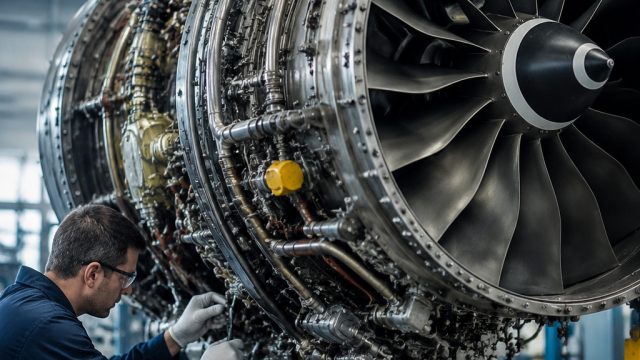
The aviation sector is at a critical juncture as the International Air Transport Association (IATA) raises alarms over the increasing bottlenecks in engine Maintenance, Repair, and Overhaul (MRO) services. As travel demand surges, the urgency to streamline engine MRO processes has never been more pressing. Industry stakeholders must prioritize solutions to maintain operational efficiency and safety in the skies.
The Current Landscape of Engine MRO Services
As the global aviation industry rebounds from the pandemic, the demand for engine MRO services has skyrocketed. Airlines are ramping up their fleets to meet traveler needs, leading to a strain on existing MRO capacities. The IATA has highlighted this urgent need, emphasizing that delays in engine maintenance could have significant repercussions on flight schedules and safety.
Understanding the Bottlenecks
Several factors contribute to the current engine MRO bottlenecks:
- Increased Demand: With air travel recovering, airlines are seeing a rapid increase in flight operations, which directly impacts the demand for engine maintenance.
- Supply Chain Challenges: Global supply chain disruptions have affected the availability of critical parts and components needed for engine repairs.
- Skilled Workforce Shortage: There is a notable shortage of skilled technicians who can efficiently perform MRO services.
The Importance of Addressing MRO Challenges
Tackling these bottlenecks is crucial not only for individual airlines but also for the broader aviation ecosystem. The consequences of neglecting these issues extend beyond operational inefficiencies; they can also lead to heightened safety risks and increased operational costs.
Operational Impacts
The ramifications of engine MRO delays are multifaceted:
- Flight Cancellations: Delays in engine repairs can lead to an increase in flight cancellations and delays, frustrating travelers and damaging airline reputations.
- Cost Increases: Extended downtime translates to lost revenue for airlines, as grounded planes cannot generate income. Additionally, the cost of expedited shipping for parts can spike significantly.
- Safety Risks: Prolonged engine outages can compromise the safety of flights, highlighting the need for timely maintenance and repairs.
Potential Solutions to Overcome MRO Bottlenecks
To effectively address the challenges facing engine MRO services, stakeholders must collaborate on innovative strategies and solutions. Here are some potential approaches:
1. Enhance Collaboration Across the Industry
Companies must work together to share resources, knowledge, and best practices. Joint ventures or partnerships can alleviate individual pressures and enhance service delivery.
2. Invest in Technology
Implementing advanced technologies such as predictive maintenance can help foresee engine issues before they arise, thereby reducing downtime. Automated systems can also streamline the repair processes.
3. Focus on Workforce Development
Addressing the skilled workforce shortage is essential. Industry stakeholders should invest in training programs to enhance the skills of technicians and attract new talent into the field.
Conclusion: A Call to Action
As the aviation industry stands at a crucial crossroads, the need to address engine MRO bottlenecks cannot be overstated. Stakeholders must take immediate action to enhance operational efficiency and ensure the safety of air travel. Through collaboration, investment in technology, and a focus on workforce development, the industry can navigate these challenges and emerge stronger than before. The time to act is now — the future of aviation depends on it.