
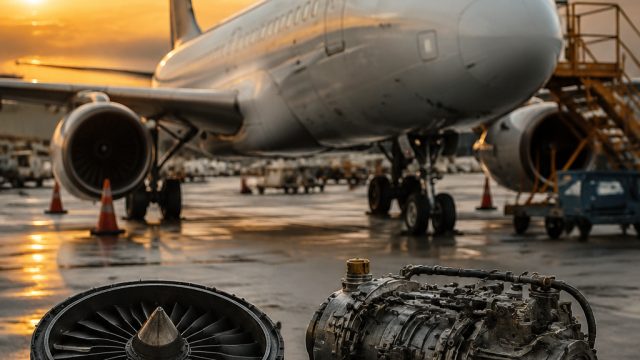
The aviation industry is grappling with unprecedented challenges in 2025, with airlines reportedly facing losses exceeding $11 billion due to significant supply chain disruptions. As the world rebounds from the effects of the pandemic, airlines are now confronted with the harsh reality of delayed deliveries, inflated costs, and a scarcity of essential components necessary for aircraft operations. This situation calls for urgent attention, as it has far-reaching implications not only for airlines but also for passengers and the global economy.
Understanding the Crisis: What Went Wrong?
In recent months, several factors have converged to create a perfect storm in the aircraft supply chain. The complex web of global suppliers, many of which are still recovering from the pandemic's impact, has led to critical delays in manufacturing and delivery.
1. Supply Chain Bottlenecks
- Manufacturing Delays: Disruptions at production facilities have resulted in backlogs that are affecting airlines' ability to maintain their fleets.
- Shortage of Components: Key aircraft parts are in short supply, leading to prolonged repair times and grounding of planes.
- Increased Costs: As demand for aircraft components surges, costs have skyrocketed, further straining airline budgets.
2. Impact on Airline Operations
The financial repercussions of these supply chain issues are profound. Airlines are not just losing potential revenue; they are also facing increased operational costs that could lead to higher ticket prices for consumers.
- Flight Cancellations: With planes grounded due to parts shortages, airlines have been forced to cancel flights, creating inconvenience for travelers.
- Reduced Capacity: Airlines cannot operate at full capacity, affecting their ability to meet passenger demand, especially during peak travel seasons.
- Job Security Concerns: As airlines face financial strain, layoffs and job cuts become a looming threat, further impacting the economy.
The Broader Economic Implications
The negative impact of these supply chain disruptions extends beyond the airlines themselves. The ripple effects are felt throughout the travel industry, from hotels and restaurants to tourism-related services.
1. Consumer Confidence
As travelers face flight cancellations and increased fares, consumer confidence in air travel could diminish. This not only affects airlines but also other sectors that rely heavily on tourism.
2. Investor Sentiment
Investors are keeping a close watch on these developments, as prolonged supply chain issues may lead to a reevaluation of airline stock values. The potential for long-term operational disruptions may cause investors to think twice about their commitments in the aviation sector.
What Can Be Done?
Addressing the challenges of the aircraft supply chain requires a multi-pronged approach. Airlines must consider strategic partnerships, increased investment in inventory, and better forecasting methods to mitigate future risks.
- Collaboration with Suppliers: Strengthening relationships with suppliers can help airlines secure the parts they need more reliably.
- Adopting Technology: Investing in advanced technologies for inventory management can streamline operations and reduce bottlenecks.
- Government Support: Increased support from governments to bolster the aviation sector can also provide much-needed relief during these trying times.
Conclusion
The aircraft supply chain crisis of 2025 serves as a significant wake-up call for the aviation industry. As the sector faces substantial financial losses, it is crucial for airlines to adopt proactive measures to safeguard their operations and enhance resilience against future disruptions. The journey ahead will require collaboration, innovation, and a commitment to overcoming challenges that threaten the stability of the airline industry.