
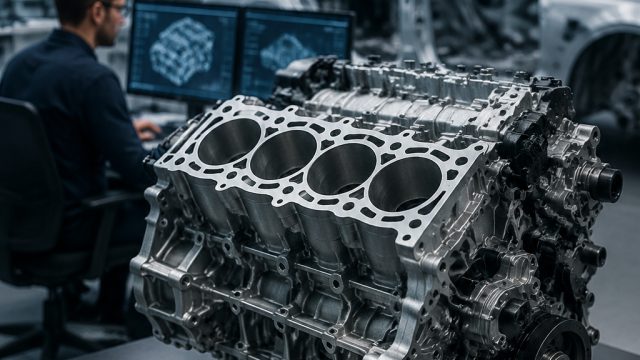
The landscape of auto parts engineering is constantly evolving, influenced by technological advancements and changing consumer demands. As the automotive industry shifts towards sustainability and enhanced performance, understanding these trends becomes crucial for both manufacturers and consumers. In this article, we will delve into the latest innovations that are transforming the auto parts sector and explore their implications for vehicle performance and repair.
The Push for Sustainability in Auto Parts
With growing environmental concerns, the automotive industry is increasingly focusing on sustainability. Manufacturers are seeking ways to reduce their carbon footprint by developing eco-friendly materials and processes. This shift is not just good for the planet; it also presents opportunities for businesses to attract environmentally conscious consumers.
Innovative Materials
- Biodegradable Plastics: Many companies are experimenting with biodegradable alternatives for components that would traditionally use non-recyclable materials.
- Recycled Metals: The use of recycled metals in engine components is gaining traction, minimizing waste while maintaining performance standards.
- Lightweight Composites: These materials help improve fuel efficiency and reduce emissions by lessening the overall weight of vehicles.
Technological Advancements in Auto Parts Manufacturing
Modern manufacturing techniques are revolutionizing how auto parts are produced. Technologies such as 3D printing and automation are streamlining production processes, significantly enhancing precision and efficiency.
3D Printing in Auto Parts
3D printing has emerged as a game-changer for the auto parts industry. It allows for rapid prototyping and customization, enabling manufacturers to respond quickly to market demands. This technology minimizes waste and reduces production costs:
- On-Demand Production: Parts can be manufactured as needed, reducing inventory costs.
- Customization: Consumers can request tailor-made components, enhancing vehicle performance and aesthetics.
Automation and Industry 4.0
The integration of smart technologies in manufacturing processes, known as Industry 4.0, is setting a new standard in the auto parts sector. This includes:
- Robotic Assembly: Automation ensures high-quality production and lower labor costs.
- Data Analytics: Using data to predict trends and optimize supply chains can enhance operational efficiency.
Enhancing Vehicle Performance through Innovation
The demand for high-performance vehicles has led to significant advancements in engine components and auto parts. Innovations in design and materials are resulting in better durability, efficiency, and power output.
Smart Engine Components
Smart technologies are being integrated into engine components, allowing for real-time monitoring and adjustments. This leads to:
- Improved Efficiency: Components can adapt to different driving conditions, optimizing fuel consumption.
- Predictive Maintenance: Smart sensors can alert drivers to potential issues before they become severe, reducing repair costs.
Conclusion: Why This Matters Now
The rapid evolution of auto parts engineering is not something to overlook. As consumers become more aware of their choices and the automotive market adapts to new technologies, staying informed about these trends is essential. Whether you're considering a vehicle upgrade or simply want to understand how these changes impact your car's performance, knowledge is power. By keeping an eye on developments in the auto parts sector, you can make smarter decisions that align with your needs and values. For more insights and updates, explore our resources at Lansiq.com.