
Introduction: A New Era for Electric Vehicles
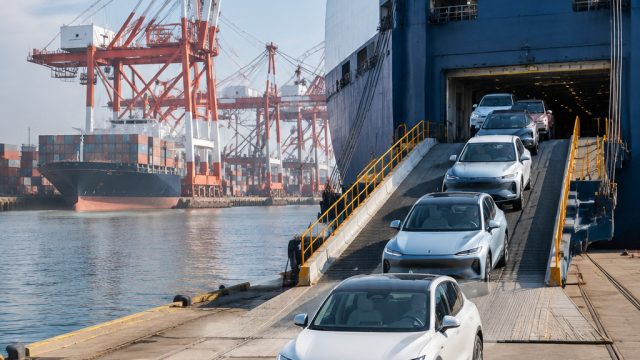
In a striking display of market momentum, China's electric vehicle (EV) exports have soared by an impressive 50% year-on-year in May, marking a pivotal moment for the global automotive landscape. This surge, reaching record levels, not only underscores the growing demand for EVs worldwide but also highlights China's increasing dominance in the electric vehicle sector.
Understanding the Surge: Factors Driving Growth
Several factors contribute to the remarkable growth of China's EV exports. These include:
- Increased Global Demand: As countries focus on sustainability and reducing carbon emissions, the demand for electric vehicles has skyrocketed.
- Technological Advancements: Chinese manufacturers have made significant strides in EV technology, enhancing vehicle performance and affordability.
- Government Support: The Chinese government continues to offer incentives and subsidies for both producers and consumers, stimulating the EV market.
The Role of Major Players
Leading companies such as BYD, NIO, and Tesla’s Gigafactory in Shanghai play a central role in this export boom. For instance, BYD’s expansion into international markets has been particularly notable, as the company has established a presence in various regions including Europe and Southeast Asia.
Impact on the Auto Industry
The rise in EV exports from China is not just a domestic success story; it has ripple effects across the global automotive industry. Traditional manufacturers are now under pressure to innovate and adapt to the rapidly changing market. Here’s how this shift is impacting the industry:
- Competitive Landscape: With Chinese EVs becoming increasingly competitive in pricing and technology, established automotive giants must rethink their strategies.
- Supply Chain Dynamics: The demand surge is prompting a re-evaluation of supply chains, particularly for critical materials like lithium and cobalt that are essential for battery production.
- Consumer Preferences: As consumers become more environmentally conscious, the preference for electric vehicles continues to grow, influencing manufacturers' product offerings.
Challenges Ahead for Chinese Exports
Despite the positive trend, challenges remain for China's EV exports, including:
- Trade Relations: Ongoing trade tensions between China and various countries could impact export opportunities.
- Quality Control: Maintaining high standards for exported vehicles is crucial in sustaining reputation and market share.
- Technological Barriers: Continuous innovation is necessary to stay ahead of global competitors, particularly from the United States and Europe.
Conclusion: Looking Forward
As we look to the future, the substantial growth in China's EV exports signals a transformative shift in the automotive industry. Companies worldwide must adapt to the changing landscape, and consumers can expect an increase in the availability of innovative and eco-friendly vehicles. The race for electric vehicle supremacy has just begun, and it is vital for all stakeholders to stay informed and agile in this dynamic market. The implications of these developments will be felt across various sectors, including automotive parts and components, where demand for new technologies and products will inevitably rise.