
Reflections on Alan Greenspan's Legacy: Power and Oversight
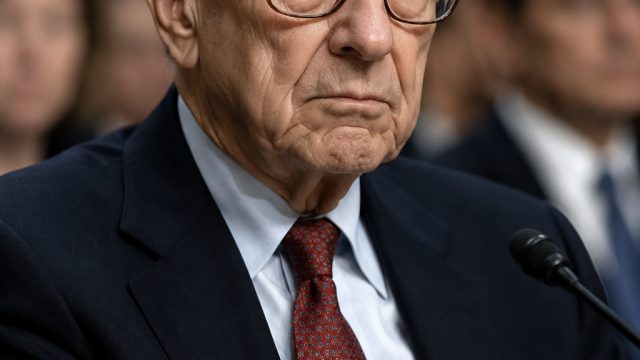
Alan Greenspan, the former chair of the Federal Reserve, passed away at the remarkable age of 100, leaving behind a legacy that continues to spark debate among economists and policymakers alike. His nearly two-decade tenure from August 1987 to January 2006 not only shaped U.S. monetary policy but also had profound implications for the global economy. As we reflect on his contributions and missteps, it is crucial to understand why his legacy matters now more than ever.
The Economic Landscape During Greenspan's Tenure
Greenspan presided over a transformative period in American economic history. His leadership coincided with a significant expansion in the U.S. economy, marked by technological advancements and a booming stock market. However, it was also a time of increasing scrutiny concerning the Federal Reserve's role in regulating and stabilizing financial markets.
Economic Boom and Bust
Under Greenspan's guidance, the economy experienced notable growth, especially during the dot-com bubble of the late 1990s. However, critics argue that his policies contributed to the subsequent crash, revealing critical blind spots in oversight.
- Encouraged aggressive lending practices.
- Low interest rates led to risky investments.
- Failure to regulate the burgeoning financial derivatives market.
Greenspan's Philosophy: Trust in the Market
One of the hallmarks of Greenspan's approach was his unwavering faith in the market's ability to self-regulate. This philosophy led to significant deregulatory measures, which many believe set the stage for future economic crises.
Implications of Deregulation
The 2008 financial crisis raised questions about the long-term viability of Greenspan's economic beliefs. Here are some key points regarding the repercussions of deregulation during his term:
- Increased volatility in financial markets.
- Heightened risks to consumer confidence.
- Long-lasting impacts on wealth distribution.
Lessons for Today's Policymakers
As we analyze Greenspan's legacy, it is essential to extract lessons that are relevant to current economic challenges. The ongoing discussions regarding inflation, interest rates, and financial regulation echo the complexities faced during his tenure.
Crisis Management and Policy Response
In today's economic climate, characterized by uncertainty and rapid change, policymakers must consider how to balance growth with responsible oversight:
- Implementing regulations that adapt to evolving financial instruments.
- Reassessing the impact of low-interest rates on economic inequality.
- Ensuring transparency in financial institutions to build public trust.
Conclusion: A Complex Legacy
Alan Greenspan's death marks the end of an era, but his legacy will serve as a critical reference point for future economic strategies. While he was a pivotal figure in American economic history, understanding his flaws is equally important. As we move forward, embracing the lessons from his tenure can help create a more resilient and equitable economic landscape.