
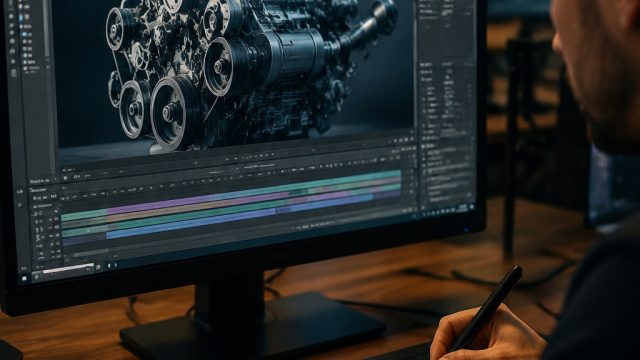
The animation industry is undergoing a transformative phase, with innovative techniques redefining how stories are told and experienced. As we delve into 2023, it's essential to highlight the advancements in animation that not only enhance the viewing experience but also reflect cultural shifts and technological progress.
The Shift Towards Digital Animation
In recent years, the animation landscape has seen a significant shift from traditional methods to digital techniques. This transition allows for greater creativity and flexibility in production. Digital animation tools enable artists to create stunning visuals that were once impossible to achieve.
Key Tools and Software Driving Change
- Adobe Animate: A go-to for animators seeking to create dynamic web content and short films.
- Blender: An open-source 3D modeling software that is gaining popularity for animated features.
- Toon Boom Harmony: Widely used in the industry, it offers a comprehensive platform for 2D animation.
Cultural Influence on Animation Styles
Animation is not just about movement; it's a reflection of culture and societal values. With globalization, animators are incorporating diverse styles and narratives that resonate with a broader audience. This shift is evident in popular series and films that showcase various cultural perspectives.
Examples of Cultural Representation
Recent animated features highlight underrepresented cultures, offering fresh narratives and characters. This inclusion enriches storytelling and allows viewers to connect with characters on a deeper level. Notable examples include:
- “Turning Red”: This Pixar film explores Chinese culture through the eyes of a young girl.
- “Encanto”: A Disney film celebrating Colombian heritage and family dynamics.
The Role of Technology in Animation
Technology continues to play a crucial role in advancing animation techniques. The introduction of artificial intelligence (AI) and machine learning is streamlining the animation process, enabling artists to produce content more efficiently. These technologies also allow for enhanced visual effects that engage audiences in new ways.
AI and Animation: A New Frontier
AI-assisted tools can automatically create in-between frames, significantly reducing the workload for animators. This not only expedites production timelines but also opens opportunities for small studios to compete with larger counterparts. As AI technology evolves, we can expect even more groundbreaking applications in animation.
Audience Engagement Through Interactive Animation
The rise of digital platforms has also led to interactive animation experiences. Audience engagement is no longer limited to passive viewing; users can influence the story's direction through their choices, adding a new layer of immersion. This trend is particularly popular in mobile and web-based animations.
Engaging Formats to Watch For
- Interactive Web Series: Shows that allow viewers to choose plot directions, such as “Black Mirror: Bandersnatch.”
- Mobile Games: Many offer animated stories that change based on player decisions, enhancing replayability.
Conclusion: The Future of Animation
As we navigate through 2023, the animation industry is poised for continued innovation. The shift towards digital, the incorporation of cultural narratives, the influence of technology, and the rise of interactive formats are shaping a vibrant future for animation. For industry professionals and enthusiasts alike, keeping an eye on these trends is crucial for staying relevant in this ever-evolving landscape.
As the world becomes more interconnected, the stories told through animation will reflect a rich tapestry of experiences and perspectives, ensuring that this medium remains a powerful form of expression for generations to come.