
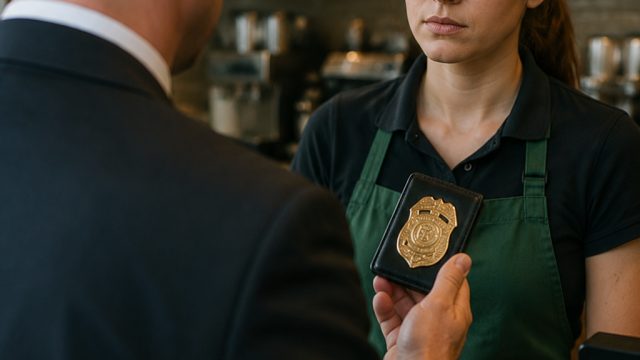
The United States Department of Justice (DOJ) has initiated a civil rights investigation into a coffee chain in New York City following claims that the establishment refused service to Representative Dan Goldman due to his pro-Israel stance. This incident highlights the intersection of free speech, political expression, and business practices, raising significant questions about civil rights and the boundaries of service provision in today's highly politicized climate.
Background of the Incident
Representative Dan Goldman, a Democrat known for his vocal support of Israel, recently attempted to patronize a local coffee chain. However, he was reportedly denied service based on his political views. This situation has escalated into a federal investigation, with Harmeet K. Dhillon, the head of the DOJ's Civil Rights Division, confirming that a thorough examination of the facts and circumstances surrounding the denial is underway.
Political Context and Implications
This incident comes amid heightened tensions surrounding Israel and Palestine, with many businesses and individuals taking sides. The refusal to serve a public figure based on his political beliefs opens a broader discussion regarding the rights of businesses to refuse service versus the obligation to uphold civil rights protections.
- Potential Legal Ramifications: Businesses may face legal challenges if they deny service based on political beliefs, particularly if it can be shown that they are violating anti-discrimination laws.
- Public Reactions: The event has sparked widespread debate on social media, with some praising the coffee chain's stance while others condemn it as discriminatory.
- Impact on Business Practices: This case may prompt other establishments to reevaluate their service policies and training to prevent similar conflicts.
The Role of the DOJ
The DOJ's investigation is crucial as it seeks to clarify the legal standing regarding businesses denying service based on political affiliations. The investigation will consider several factors, including:
Factors Considered by the DOJ
- Evidence of Discrimination: The DOJ will examine if the coffee chain's actions constitute a violation of civil rights laws.
- Public Interest: How does the political landscape affect public perceptions of businesses and their service policies?
- Historical Precedents: Previous cases involving service denial based on political beliefs will be reviewed to guide current findings.
Why This Matters Now
The current political environment is charged, with businesses increasingly becoming platforms for social and political expression. The DOJ's inquiry into this coffee chain is pivotal as it could set a precedent for how political affiliations influence consumer interactions with businesses in the future.
Wider Impact on Society
The outcome of this investigation may lead to significant societal implications:
- Consumer Behavior: Customers may choose to support or boycott businesses based on their political affiliations, influencing market dynamics.
- Business Responsibility: Companies might need to adopt clearer policies regarding service denial that respect both their brand beliefs and legal obligations.
- Civil Rights Awareness: This case could increase awareness of civil rights among consumers and business owners alike, prompting discussions on ethics in the marketplace.
Conclusion
The DOJ's investigation into the New York coffee chain not only underscores the complexities of civil rights law but also brings to the forefront the challenges businesses face in a politically charged atmosphere. As this story unfolds, it will be crucial for stakeholders, including consumers, business owners, and policymakers, to consider the implications of service denial based on political beliefs. The intersection of commerce and civil rights is more relevant now than ever, and the outcomes of these discussions will shape the future of consumer-business relationships.