
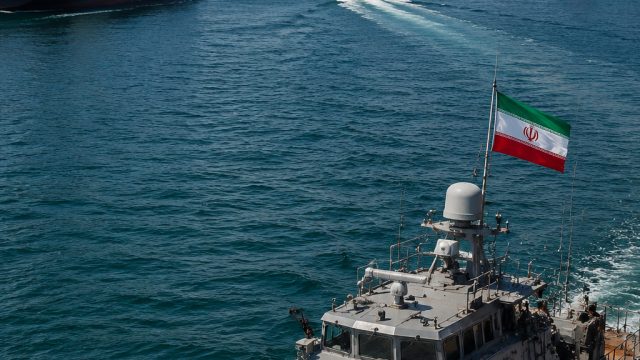
The geopolitical landscape surrounding the Strait of Hormuz is rapidly evolving, with Iran taking significant steps to assert its influence over this critical maritime route. As of late 2023, the Strait of Hormuz is witnessing an increase in shipping traffic amid rising tensions, particularly related to Iran's nuclear monitoring and regional conflicts. This article explores the implications of these developments and why they matter in today's global context.
Increased Shipping Traffic in the Strait
As reports indicate, the traffic in the Strait of Hormuz has steadily increased in recent weeks. This vital waterway, accounting for approximately 20% of the world's oil supply, has become a focal point of international trade and energy security. The uptick in shipping activities suggests a growing reliance on this corridor for oil exports, particularly from the Gulf states.
Iran's Assertive Strategies
Iran's latest maneuvers in the Strait are viewed as a tactical response to perceived threats from regional adversaries. In recent statements from Iranian officials, the government announced that certain measures would be taken to strengthen its control over maritime activities in the Strait. These actions have included:
- Increased naval patrols in the area.
- Enhanced security protocols for shipping vessels.
- Warnings to international shipping companies regarding potential disruptions.
The Geopolitical Stakes
The strait's significance transcends economic interests, as it plays a crucial role in regional security dynamics. With Iran's assertiveness, the potential for flashpoints rises, affecting not only regional players but also global markets. Key points to consider include:
- The impact on oil prices, which can fluctuate dramatically based on geopolitical tensions.
- The responses from the U.S. and its allies, who may increase their military presence in the region.
- Potential impacts on global shipping routes, exacerbating supply chain issues.
Monitoring Developments: What Lies Ahead?
As the situation evolves, monitoring developments around the Strait of Hormuz becomes increasingly essential for businesses and governments alike. With Iran's strategy appearing more aggressive, stakeholders should:
- Stay informed about shipping advisories and potential interruptions.
- Consider the implications of oil price volatility on their operations.
- Assess contingency plans for supply chain disruptions.
The Role of International Diplomacy
Diplomatic efforts play a vital role in de-escalating tensions in the Strait of Hormuz. Multilateral talks could pave the way for agreements that ensure the security of shipping lanes while addressing Iran's regional ambitions. The current climate raises the need for proactive engagement from international actors, as a lack of dialogue may lead to further escalation.
Conclusion: A Critical Watchpoint
The developments surrounding Iran's actions in the Strait of Hormuz necessitate close attention. As shipping traffic increases and geopolitical tensions rise, the implications for global energy markets and maritime security are profound. Stakeholders must remain vigilant and adaptable to navigate the uncertainties posed by these evolving dynamics. The Strait of Hormuz is not just a regional concern; it is a critical watchpoint for global commerce and stability in the 21st century.