
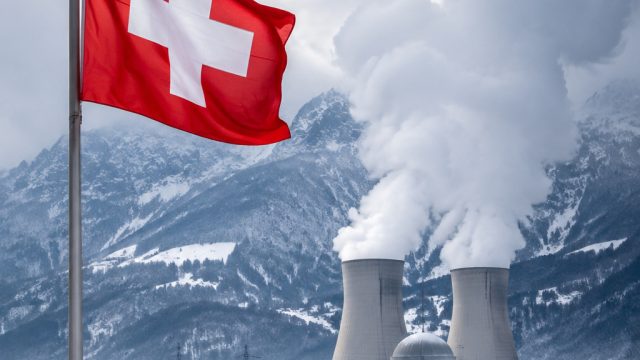
In a surprising turn of events, the Swiss government is reconsidering its long-standing ban on new nuclear power plants, a decision initially solidified by a public referendum in 2017. This shift, driven by current energy demands and political pressures, raises critical questions about the future of energy production in Switzerland and its environmental implications.
The Background of Switzerland's Nuclear Policy
Switzerland's decision to prohibit the construction of new nuclear power facilities was widely supported, emphasizing a commitment to sustainable energy and environmental safety. However, the recent right-leaning government's efforts to challenge this ban reveal a complex interplay of energy needs, public sentiment, and climate concerns.
The 2017 Referendum: A Democratic Commitment
The 2017 referendum was a defining moment in Swiss energy politics, effectively signaling public opposition to nuclear energy's expansion due to safety and environmental risks. The decision reflected a nationwide desire to shift toward renewable energy sources, making the latest government moves particularly contentious.
Current Political Landscape: A Shift in Priorities
The current administration, characterized by its right-leaning policies, argues that the global energy crisis necessitates a reevaluation of nuclear power. As energy prices soar and the need for sustainable energy solutions grows, the government claims that nuclear energy could be a viable option to ensure energy security and economic stability.
Political Pressures and Public Opinion
- Energy Demands: With rising energy prices and increasing demand, the government is feeling the pressure to find immediate solutions.
- Public Sentiment: Recent polls indicate a divided public opinion, with some advocating for a return to nuclear as a reliable energy source.
- Environmental Concerns: Opponents stress the long-term environmental impacts of nuclear energy, advocating for continued investment in renewable sources instead.
Environmental Implications of Re-Embracing Nuclear Energy
Reinstating nuclear energy in Switzerland could have significant environmental ramifications. Proponents argue it offers a low-carbon energy source, potentially aiding in the fight against climate change. However, the risks associated with nuclear waste and the potential for catastrophic failures cannot be overlooked.
Balancing Energy Needs and Environmental Responsibilities
The challenge lies in balancing energy needs with ecological responsibility. As Switzerland navigates these contentious waters, it must consider:
- Waste Management: Addressing the safe disposal of nuclear waste remains a major hurdle.
- Renewable Energy Investments: The government must also prioritize investments in solar, wind, and hydroelectric power to diversify its energy portfolio.
- Global Responsibility: As a signatory to international climate agreements, Switzerland has a responsibility to mitigate its carbon footprint.
Conclusion: The Future of Switzerland's Energy Policy
The unfolding situation regarding Switzerland's nuclear energy policy highlights the complexities of modern energy debates. As the government considers lifting the ban on nuclear power, stakeholders must engage in open dialogue about the implications for both energy security and environmental sustainability. The choices made today will resonate for generations, impacting not only Switzerland's energy landscape but also its commitment to combating climate change.
As the global energy crisis continues, the decisions made by the Swiss government in the months ahead will be crucial. It remains to be seen how this political shift will shape the country’s energy future, but the need for a balanced approach that addresses both current demands and long-term environmental responsibilities has never been more pressing.