
Key Takeaways
- Food deserts affect many communities, limiting access to fresh groceries.
- Innovative delivery services are emerging to bridge the gap.
- Community gardens and local markets offer fresh alternatives.
- Investments in food technology are boosting sustainable solutions.
- Enhancing food access is crucial for public health.
The Challenge of Grocery Access
In many regions, particularly within Southeast Asia and cities like Jakarta and Surabaya, access to fresh food remains a significant challenge. Traditional grocery stores may not suffice for communities grappling with food deserts, where fresh produce is scarce. The consequences are dire: poor nutrition and health disparities heighten in these areas.
Emerging Solutions in Fresh Food Access
As grocery prices surge and food recalls become more frequent, innovative solutions are stepping in to provide fresh food alternatives. Startups are focusing on direct delivery of organics, making it easier for families to access fresh ingredients without leaving home. Services that cater specifically to urban and rural populations are gaining traction, showing a promising shift in how communities source their food.
The Rise of Local Markets and Community Gardens
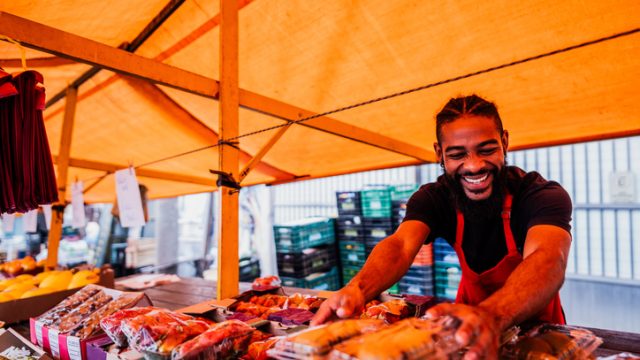
Local markets and community gardens are also spearheading this change. They provide not only fresh produce but also foster a sense of community. Residents can buy locally sourced tomatoes, greens, and other vegetables, directly from farmers. These initiatives not only improve access but also strengthen local economies.
Technology's Role in Improving Access
Advancements in technology are further enhancing food access. Mobile apps and online platforms are making it easier for consumers to order groceries from local stores or farmers’ markets. For instance, platforms allowing top508 login facilitate seamless shopping experiences for users, effectively expanding their options for fresh food.
Why This Matters Now
The urgency to improve food access cannot be overstated. With ongoing economic challenges and the global pandemic's lasting impacts, communities are looking for reliable, healthy food sources. By reshaping how we think about grocery shopping, families can combat health issues associated with poor diets.
Food Justice and Health Implications
Food justice is essential; it ensures that all families, regardless of their socio-economic status, have access to nutritious options. This is particularly vital as dietary-related health problems are on the rise in Indonesia and across the ASEAN region. Prioritizing fresh food access can lead to healthier communities and reduce healthcare costs.
Conclusion: A Call for Action
As we navigate the complexities of food access, it’s clear that a multi-faceted approach is needed. Communities must advocate for better resources and innovative solutions that prioritize fresh food availability. Local initiatives, supported by technology and community engagement, are crucial in ensuring that all families can enjoy nutritious meals, regardless of their circumstances.
Frequently Asked Questions
What are food deserts?
Food deserts are areas with limited access to affordable and nutritious food, often leading to poor dietary habits.
How can community gardens improve food access?
Community gardens provide fresh produce directly to residents, fostering community engagement and improving local food sources.
What role does technology play in grocery shopping today?
Technology enhances grocery shopping by offering convenience through apps for ordering and delivery directly from local suppliers.
Why is fresh food access important for public health?
Access to fresh food is crucial for preventing diet-related health issues and promoting overall community well-being.
How can I get involved in local food initiatives?
You can participate by joining local community gardens, supporting farmers' markets, or using platforms that promote local produce.