
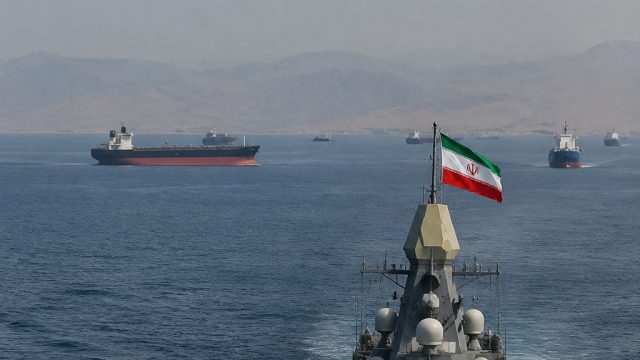
As the global community grapples with nuclear non-proliferation, Iran's recent declarations regarding its nuclear program have sparked significant international discourse. The Iranian government has firmly declared its intention to deny any requests for inspections of its nuclear facilities, particularly in light of allegations surrounding potential violations. This article explores the implications of Iran's stance and the ticking clock of diplomacy in the ever-strategic Strait of Hormuz.
Context: The Nuclear Inspection Debate
The issue of nuclear inspections has long been a point of contention between Iran and Western nations, particularly the United States. Following the controversial Joint Comprehensive Plan of Action (JCPOA) agreement in 2015, Iran had previously agreed to allow inspections by the International Atomic Energy Agency (IAEA). However, as tensions have escalated, Tehran's compliance has waned, leading to a strained relationship with both the IAEA and Western diplomats.
The Current Situation
- Iran's government has publicly stated that it will not cooperate with any new inspection proposals.
- Claims have emerged that outside forces, including the U.S., are pressuring Iran to concede to increased monitoring.
- Iran insists that it retains full control over its nuclear sites and will not compromise its sovereignty.
This firm position has raised alarms among the international community, with many fearing that a lack of transparency might lead to further escalations and instability in the region.
The Geopolitical Implications of the Strait of Hormuz
The Strait of Hormuz is a vital waterway for global oil shipments, with approximately one-fifth of the world’s crude oil passing through this narrow channel. Iran's declaration regarding its nuclear sites poses a double-edged sword: while asserting its sovereignty, it risks jeopardizing its relationships with significant trade partners.
The Risks of Escalating Tensions
- Potential military confrontations due to increased naval presence in the area.
- Economic consequences for global oil prices, which could ripple through world markets.
- Pressure on neighboring countries to take sides, further complicating regional alliances.
With ongoing military drills and the potential for confrontation, the narrative around the Strait of Hormuz is increasingly critical. Observers are closely monitoring how the situation may evolve, especially in light of potential retaliatory actions from the U.S. or its allies.
Looking Ahead: The Path of Diplomatic Solutions
As diplomatic channels remain strained, the immediate future for Iran and its nuclear program hinges on whether dialogue can resume. Experts believe that a multi-faceted approach involving economic incentives, security guarantees, and a commitment to transparency could pave the way for renewed negotiations.
Key Considerations for Diplomats
- Engaging with Iranian leadership to find common ground without compromising national security concerns.
- Involving regional powers in the dialogue to foster a united front against potential conflicts.
- Encouraging Iran to acknowledge international pressures while asserting its rights under international law.
A strategic balance of firmness and flexibility may be essential in breaking the current stalemate and preventing further deterioration of relations.
Conclusion: The Importance of Vigilance
In this precarious moment, the global community must remain vigilant regarding Iran's nuclear ambitions and the implications for regional stability. As the situation develops, the stakes are high, not just for Iran and its neighbors, but for the world economy and security. Continuous analysis and proactive diplomatic efforts will be crucial in navigating this complex landscape, ensuring that the potential for conflict remains mitigated while understanding the underlying issues at play.