
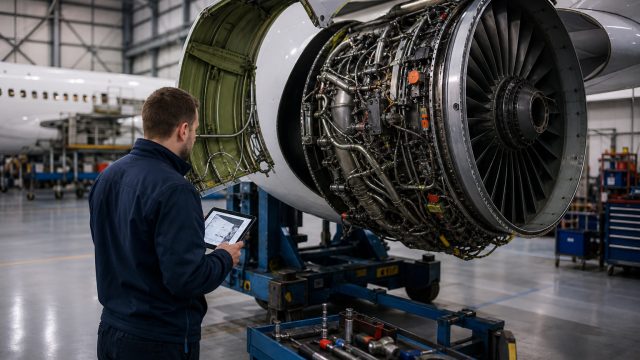
The airline industry has faced unprecedented supply chain disruptions, a dilemma that shows no signs of abating. As global travel resumes post-pandemic, airlines are grappling with various logistical challenges that affect their operations. Understanding the roots of these disruptions and exploring effective mitigation strategies is crucial for ensuring a smoother journey ahead.
Understanding the Root Causes of Supply Chain Disruptions
The complications that airlines face in their supply chains are multifold. Factors such as increasing fuel prices, labor shortages, and geopolitical tensions have all contributed to a complex web of challenges. The pandemic illustrated how fragile supply chains can be, with delays affecting everything from aircraft parts to passenger services.
Labor Shortages Impacting Operations
One of the most significant contributors to the ongoing disruptions is the labor shortage. As airlines rush to ramp up staffing levels to meet rising demand, many positions remain unfilled, leading to operational inefficiencies. This shortage is not limited to pilots and flight attendants; it extends to ground staff and logistical support roles as well.
Fuel Price Volatility
Another pressing issue is the volatility of fuel prices. Fluctuations can dramatically affect operational costs, forcing airlines to make difficult decisions regarding route adjustments and ticket pricing. As fuel costs rise, airlines must also consider how to pass these costs onto consumers without deterring travel.
Strategies for Mitigating Supply Chain Disruptions
Given these challenges, airlines must adopt strategic approaches to navigate the complex landscape of supply chain management. Here are several strategies that can help lessen the impact of these disruptions:
- Investing in Technology: Airlines can leverage technology to improve operational efficiency. Tools for real-time tracking and predictive analytics can help in anticipating potential disruptions.
- Diversifying Supply Sources: Relying on a single supplier for critical components can be risky. Diversifying suppliers can reduce the likelihood of being severely impacted by disruptions affecting a specific supplier.
- Enhancing Workforce Training: Investing in workforce training can mitigate the effects of labor shortages. Upskilling current employees can help fill gaps and improve overall service quality.
Strengthening Collaborative Relationships
Collaboration with partners, including suppliers and logistics providers, is essential for resilience. By fostering strong relationships, airlines can share information and resources, leading to more effective problem-solving.
The Role of Policy and Regulation
Government policy and regulations can significantly influence supply chain dynamics. For instance, initiatives promoting better infrastructure or incentives for workforce training can alleviate some of the pressures faced by airlines. It is vital for industry stakeholders to engage with policymakers to advocate for supportive measures that address these challenges.
Future-Proofing the Airline Industry
Looking to the future, airlines must focus on adaptability and resilience. The ongoing disruptions highlight the need for industries to be better prepared for unforeseen challenges. This means not only improving current operations but also investing in research and development to innovate solutions that can withstand future shocks.
Conclusion: A Call for Agility in Operations
As the airline industry continues to navigate persistent supply chain challenges, agility and strategic foresight will be paramount. By embracing innovative technologies, fostering collaborative relationships, and advocating for supportive policies, airlines can create a more resilient framework for the future. It is crucial for industry leaders to recognize that the way forward lies in proactive adaptation, ultimately enhancing both operational efficiency and consumer satisfaction.