
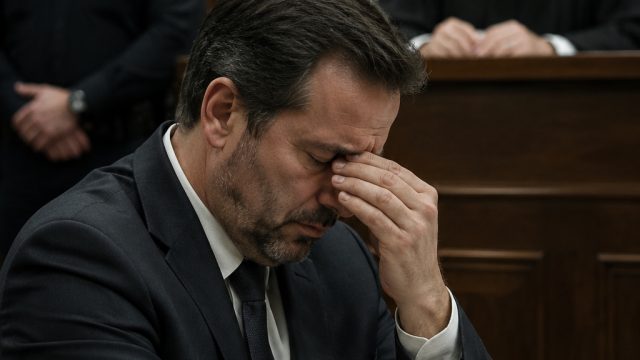
The ongoing murder case involving Charlie Kirk has taken a critical turn as recent court decisions have created significant implications for both the prosecution and defense. Legal experts and the public alike are closely monitoring the developments, particularly focusing on the refusal of the suspect's ex-roommate to testify in the preliminary hearing. This decision has left many questions unanswered and has added layers of complexity to an already intricate case.
Latest Court Rulings and Their Impact
The judge overseeing the Charlie Kirk murder case made a pivotal ruling recently, stating that the suspect's ex-roommate would not be required to testify in person during the preliminary hearing. This decision has raised eyebrows and sparked debates about its potential ramifications on the case's trajectory. Legal analysts suggest that the absence of this testimony could significantly affect the prosecution's strategy moving forward.
Understanding the Role of Testimonies in Criminal Cases
In high-profile criminal cases, testimonies can be crucial for establishing a narrative. The judge's ruling not to allow the roommate's testimony could lead to several possible outcomes:
- Prosecution Challenges: The lack of firsthand accounts may hinder the prosecutors in building a compelling case against the suspect.
- Defense Advantages: The defense team might leverage this ruling to argue that the evidence presented is insufficient for a conviction.
- Public Perception: Media coverage and public opinion could sway as the details unfold, impacting the overall atmosphere surrounding the trial.
The Stakes: Death Penalty Eligibility
Another critical component of this case is the potential for the death penalty, which hangs in the balance pending the judge’s upcoming rulings. Legal experts suggest that the court's decisions regarding testimonies and evidence could directly influence whether the prosecution will pursue capital punishment. This aspect alone has garnered significant media attention and raised ethical debates among legal scholars.
What We Know About the Charges
The charges against the suspect are severe and carry heavy consequences. As the case develops, understanding the nature of these charges is essential. Key details include:
- Nature of the Crime: The suspect is accused of committing a violent act, which has shocked the community.
- Legal Strategy: Both the defense and prosecution are employing tactical maneuvers that may mirror strategies seen in other notorious cases.
- Implications for Justice: The outcome of this case could set precedents for how similar cases are handled in the future.
Public Reaction and Media Involvement
The media coverage surrounding the Charlie Kirk murder case has been extensive, prompting widespread public interest and discourse. Social media platforms have become hotbeds for discussions, with various opinions emerging regarding the legal proceedings. The implications of the recent ruling have stirred up debates about justice, accountability, and the role of the media in influencing public perception.
How Media Shapes Legal Narratives
In the age of digital information, media plays a crucial role in shaping narratives around criminal cases. Factors to consider include:
- Information Accessibility: News outlets provide real-time updates, which can sometimes lead to misinformation.
- Public Sentiment: As public opinion shifts based on media coverage, it can impact jury selections and court procedures.
- Legal Ethics: The relationship between the media and legal proceedings raises important ethical considerations regarding fair trials.
Conclusion: A Case to Watch
As the legal battles surrounding the Charlie Kirk murder case unfold, the implications of each ruling resonate beyond the courtroom. The refusal of the ex-roommate to testify adds an intriguing layer to the narrative while keeping the public and legal experts engaged. With the stakes high and the potential for severe penalties on the line, this case is not just a matter of legal procedure; it encapsulates the broader themes of justice and societal response to crime. Stay tuned as we continue to follow this story and analyze its developments.