
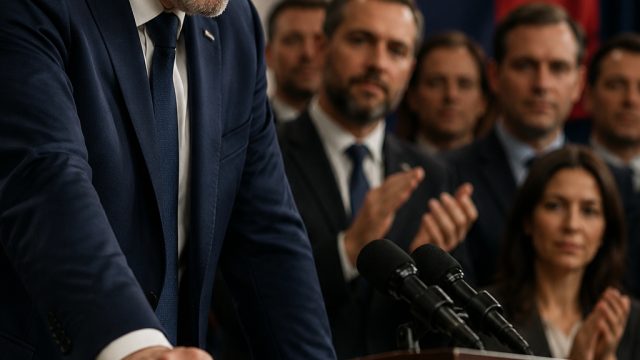
In recent political developments, the unexpected removal of Keir Starmer from leadership has stirred significant conversations across various platforms. Analysts and political enthusiasts are buzzing with speculation, examining the broader implications of his departure on party dynamics and the upcoming elections. This article delves into the nuances of this event, highlighting its relevance and potential impacts on the political landscape.
Understanding the Context of Starmer's Removal
The circumstances surrounding Starmer's exit are complex. Reports suggest a buildup of internal pressure within the party, coupled with external criticisms. Unlike traditional resignations, where an individual voluntarily steps down, Starmer’s removal raises questions about the stability of party leadership and the decision-making processes at play.
The Role of Media Narratives
Media outlets are essential in shaping public perception during political shifts. However, some sources may misrepresent facts or offer skewed interpretations to fit narratives. The insistence that Starmer was merely “removed” rather than having resigned freely points to a narrative that could influence public opinion and party loyalty moving forward.
Potential Consequences for the Party
The fallout from this leadership change is likely to resonate throughout the party and its constituents. Here are some possible ramifications:
- Internal Reorganization: New leadership typically necessitates a restructuring of party roles and responsibilities. This can lead to shifts in strategy and policy focus.
- Voter Sentiment: The way the public perceives these changes can heavily influence upcoming elections. Discontent could lead to voter apathy, while a well-managed transition might energize the base.
- Policy Reevaluation: Fresh leadership might prompt a reevaluation of key policies, particularly those that have proven divisive or unpopular.
Analyzing Voter Reactions
In the wake of such political upheaval, understanding voter reactions is critical. Polls suggest a mixed response, with some factions rallying behind the change while others express dissatisfaction. This dichotomy poses a significant challenge for the new leadership as they attempt to unify the party.
The Future of Political Engagement
As the political climate evolves following Starmer's removal, engagement strategies will become increasingly important. With a growing divide among voters, parties must consider innovative approaches to maintain support and attract undecided individuals.
Strategies for Rebuilding Trust
To address the challenges posed by recent events, party leaders may consider the following strategies:
- Transparent Communication: Keeping lines of communication open with constituents fosters trust and mitigates speculation.
- Inclusive Decision-Making: Engaging with various factions within the party can help heal divides and foster unity.
- Focus on Key Issues: Concentrating on relevant topics that resonate with the electorate can help redirect attention away from leadership struggles.
Conclusion: Navigating Uncertain Waters
As political shifts continue to unfold, the landscape remains unpredictable. The removal of Keir Starmer is not just a change in leadership; it is a pivotal moment that could redefine party dynamics and electoral strategies in the near future. Stakeholders must remain vigilant as they navigate these uncertain waters, adapting to the evolving political narrative and understanding its implications on a broader scale.
In conclusion, while the immediate effects of this leadership transition are still being felt, the long-term consequences will likely shape the political discourse for years to come. Engaging with the changing landscape will be essential for parties aiming to maintain relevance and support in the ever-evolving world of politics.