
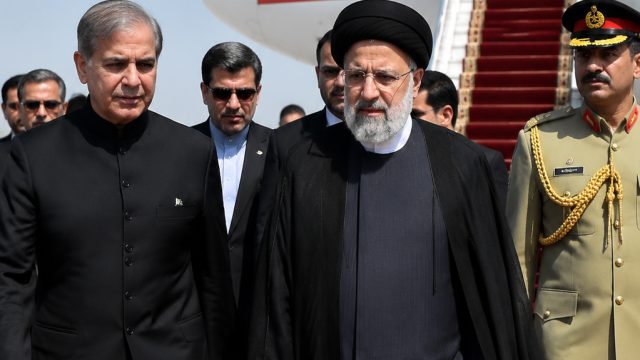
In a significant development for international diplomacy, Iranian President Masoud Pezeshkian has arrived in Pakistan for crucial discussions aimed at cementing a peace deal following escalating tensions between the United States and Iran. This visit is not only vital for regional stability but also reflects shifting alliances and strategies in global politics.
Context of the Visit
President Pezeshkian's trip to Pakistan comes at a pivotal moment as U.S. and Iranian negotiators are reportedly inching closer to finalizing a comprehensive agreement that could potentially end years of hostilities and conflict. The significance of this visit cannot be understated; it marks a renewed focus on diplomatic engagement amidst a backdrop of previous discord.
Historical Relations Between Iran and Pakistan
The relationship between Iran and Pakistan has always been complex, characterized by deep-rooted cultural ties and occasional political friction. Both nations share a long border and have cooperative agreements, particularly in trade and security.
- Economic Interests: Iran and Pakistan have cooperated in various economic ventures including energy projects.
- Security Concerns: Both nations face similar challenges regarding terrorism and border security.
- Cultural Links: Shared history and cultural practices bind the two countries, fostering collaboration.
The Role of the United States in the Peace Process
The U.S. has played a pivotal role in the recent diplomatic maneuvers involving Iran. After years of sanctions and diplomatic isolation, the Biden administration has pursued an approach that emphasizes dialogue as a means to foster stability in the Middle East. The ongoing negotiations are expected to address key issues such as nuclear proliferation and regional security.
Implications of a Successful Agreement
A successful peace agreement between the U.S. and Iran holds the potential to transform the geopolitical landscape of the Middle East. Here are some potential outcomes:
- Regional Stability: Improved relations could lead to enhanced security cooperation in the region.
- Economic Opportunities: Lifting of sanctions might open up economic channels for trade and investment.
- International Relations: A successful deal could pave the way for Iran's reintegration into the global community.
Pakistan's Strategic Position
Pakistan's role as a mediator in these discussions highlights its strategic importance in regional politics. With its unique position, Pakistan can facilitate dialogue not just between Iran and the U.S., but also among other regional players.
Why This Matters Now
In an era marked by global uncertainty and shifting alliances, this diplomatic engagement holds significant weight. As tensions rise elsewhere, the potential for a lasting peace deal between two of the world’s most contentious nations could serve as a beacon of hope. The implications extend beyond the immediate region, influencing global energy markets and international relations.
Conclusion
The visit of Iran's President to Pakistan signifies a critical juncture in the quest for peace in the Middle East. As negotiations advance, the international community watches closely, hoping for a resolution that not only benefits Iran and the U.S. but also fosters broader stability in a region long plagued by conflict.