
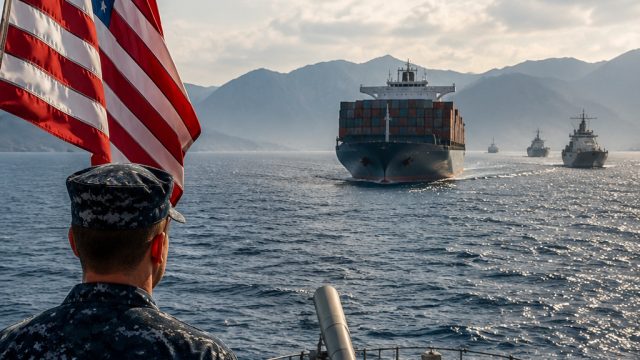
In a significant development in international relations, the United States has officially ended its naval blockade of Iran. This decision comes on the heels of Iran's agreement to undergo comprehensive nuclear inspections, a move aimed at enhancing transparency and diplomatic ties. This article delves into the implications of this policy change, particularly concerning global trade dynamics, regional security, and diplomatic relations.
The Context Behind the Decision
The naval blockade, which has been in place for several years, was initially instituted as part of a broader strategy to curb Iran’s nuclear ambitions. However, recent negotiations have led to a breakthrough, with Iran demonstrating a willingness to comply with stricter nuclear oversight. This shift not only marks a pivotal moment in U.S.-Iran relations but also has broader implications for the stability of the Middle East and global trade routes.
Understanding Iran's Nuclear Inspections
Following Iran's agreement to allow the highest level of nuclear inspections, the international community is hopeful that this transparency will lead to more stable relations. The inspections aim to verify that Iran's nuclear activities remain peaceful, addressing longstanding concerns over nuclear proliferation in the region.
Impact on Global Trade
The lifting of the blockade is expected to have far-reaching effects on global trade. Iran, with its vast oil reserves and strategic location, plays a crucial role in international energy markets. Here are some potential impacts:
- Increased Oil Exports: The end of the blockade might allow Iran to resume oil exports, potentially stabilizing global oil prices.
- Trade Route Accessibility: With naval blockades lifted, shipping routes in the Persian Gulf may become safer, encouraging trade between Europe and Asia.
- Foreign Investment Opportunities: As Iran opens its markets, foreign investors may find new opportunities in sectors such as construction, technology, and agriculture.
Regional Security Dynamics
While the end of the blockade signals a potential thaw in U.S.-Iran relations, it also raises questions about regional security. Neighboring countries, particularly those wary of Iran's influence, may respond with caution. The adjustment in military postures could either lead to increased tensions or foster a new era of cooperation.
Responses from Key Players
Various stakeholders are closely monitoring this development:
- Saudi Arabia: As a leading rival to Iran in the region, Saudi Arabia's response will be critical. The Kingdom may seek assurances from the U.S. regarding its own security interests.
- Israel: Israel has expressed concerns over Iran's nuclear capabilities and may push for continued vigilance and monitoring.
- The European Union: The EU may find new opportunities for diplomacy, aiding in stabilizing the region while promoting trade.
Conclusion: A New Chapter in U.S.-Iran Relations
The lifting of the naval blockade against Iran marks a significant shift in U.S. foreign policy, driven by a complex interplay of diplomacy, security, and economic interests. As the world watches closely, the outcomes of this decision will likely shape not only U.S.-Iran relations but also broader geopolitical dynamics. Stakeholders in global trade, energy markets, and regional security must prepare for the evolving landscape that this development will undoubtedly create.
For those closely following the situation, it is essential to stay informed about the ongoing developments and their wider implications. The decision to lift the blockade opens the door to opportunities but also poses challenges that must be navigated with care.