
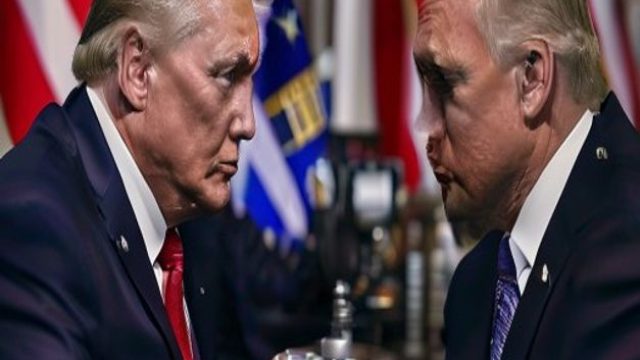
As geopolitical tensions simmer, the recent summit between former US President Donald Trump and Russian President Vladimir Putin has ignited a fresh wave of speculation regarding its implications for Ukraine. Russian Foreign Minister Sergei Lavrov's remarks suggest that this meeting may have been strategically timed to provide Ukraine with further military resources. This development comes at a critical juncture as the situation in Ukraine continues to evolve.
The Context of the Summit
The backdrop of the Trump-Putin summit in Alaska is significant. As both leaders engaged in discussions, the potential for Ukraine to receive more military support was a focal point. Lavrov's insinuation that Trump might be leveraging the summit to benefit Ukraine reflects a broader apprehension within the Kremlin regarding Ukraine's military capabilities.
Implications for Ukraine
- Increased Military Aid: The possibility of enhanced military assistance to Ukraine raises concerns for Russia, as it may shift the balance of power in the region.
- Strategic Alliances: Ukraine's relationships with Western nations have been strengthening, leading to a more complicated landscape for Russian diplomacy.
- Domestic Response: In Ukraine, the prospect of additional support could bolster public morale, impacting the ongoing conflict with pro-Russian separatists.
Understanding Russia’s Reaction
Russia's reaction to the summit and Lavrov’s comments underscore the nation's desire to counteract perceived threats from the West. The Kremlin's narrative often positions itself as responding to external aggressions, which in this case, is articulated through fears of increased Western involvement in Ukraine's defense.
Lavrov’s Speculation on Motives
Lavrov has speculated that the meeting was not merely a diplomatic engagement but a strategic move by Trump to bolster Ukraine's defenses. Such assertions point to a deeper anxiety within Russian leadership about maintaining influence over its neighboring country.
The Broader Geopolitical Landscape
This summit and its aftermath bring into focus the intricate web of international relations at play. The intersection of national interests, military strategies, and historical tensions calls for a nuanced understanding of the current dynamics.
Key Factors Influencing Outcomes
- US-Russia Relations: Ongoing complexities between the two nations have implications far beyond Ukraine, affecting global security frameworks.
- Alliances and Partnerships: The reactions of NATO and EU member states will be critical in shaping responses to any increase in military support for Ukraine.
- Public Sentiment: How the populations in both the US and Russia perceive these developments will influence future diplomatic efforts.
Conclusion: Navigating the Future
The diplomatic landscape following the Trump-Putin summit is fraught with uncertainties. As both nations navigate their respective interests, all eyes will be on Ukraine and the potential ramifications of increased military support. Understanding these dynamics is crucial for anticipating future developments in international relations.
As the situation evolves, staying informed about the geopolitical tensions and their implications for military strategies is essential. The world watches closely as decisions made today will shape the future of diplomacy and conflict in the region.