
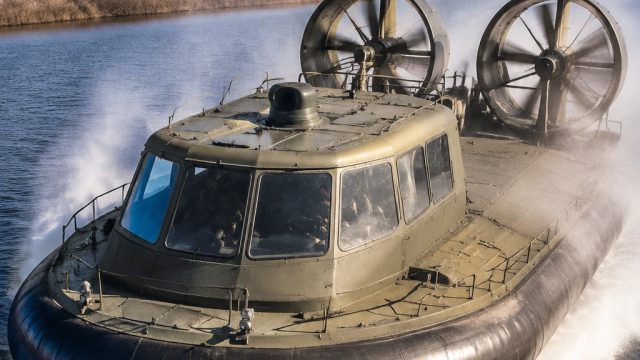
In the realm of aviation history, the Doak VZ-4 stands out not merely for its innovative design but also for the profound impact it has had on the development of vertical takeoff and landing (VTOL) aircraft. As we look back on its journey, it's pertinent to recognize why revisiting this pioneering machine matters today more than ever.
The Doak VZ-4: A Brief Overview
Developed in the 1950s by the Doak Aircraft Company, the VZ-4 was one of the first aircraft designed to transition seamlessly from vertical to horizontal flight. This groundbreaking technology has paved the way for modern VTOL and tilt-rotor aircraft that we see today.
Design Innovations
- Unique Hovering Mechanism: The VZ-4's design included two large rotor blades that allowed it to hover before transitioning to conventional flight.
- Versatility: It was engineered to take off and land in confined spaces, making it an ideal candidate for urban environments and military operations.
- Experimental Nature: As an experimental aircraft, the VZ-4 allowed engineers to test theories related to aerodynamics and flight mechanics.
The Transition to Horizontal Flight
The real marvel of the Doak VZ-4 was its capability to shift from a vertical ascent to a horizontal flight. This dual capability was not only revolutionary but also laid the groundwork for future designs that would influence aircraft such as the Bell Boeing V-22 Osprey.
Significance of VTOL Technology
VTOL technologies are crucial for a variety of applications, ranging from military strategies to urban air mobility solutions. In an era where urban congestion is becoming a pressing concern, the ability to transport people and goods without the need for large runways is invaluable.
Modern Implications of the VZ-4’s Legacy
Fast forward to today, and the principles derived from the Doak VZ-4 are seeing a resurgence as industries pivot towards innovative transportation solutions. Companies are currently exploring electric VTOL aircraft, aiming to revolutionize how we navigate crowded skies.
Applications in Today's Aviation
- Urban Air Mobility: Cities are investigating VTOL aircraft as a solution to traffic congestion, with prototypes already being tested.
- Military Operations: The military continues to refine VTOL capabilities for efficient troop and equipment transport.
- Environmental Impact: New designs focus on sustainability, integrating electric and hybrid engines to reduce carbon footprints.
Challenges and Considerations
While the legacy of the Doak VZ-4 is largely positive, modern developers face numerous challenges in bringing VTOL aircraft to full market viability. Key considerations include:
- Regulatory Hurdles: Securing airworthiness certificates and navigating airspace regulations remain significant barriers.
- Safety Concerns: Ensuring the reliability of new technologies in various weather conditions is paramount.
- Public Perception: Gaining public trust in flying vehicles is essential for widespread adoption.
Conclusion: Reflecting on the Future of Flight
The Doak VZ-4 serves as a reminder of the audacity and innovation that has shaped aviation. As we stand on the brink of a new era in flight technology, the lessons learned from this hovercraft could chart the course for the future of aviation. Understanding these advancements not only pays homage to the past but also inspires the next wave of aerospace engineering. Embracing the legacy of the VZ-4 can help usher in a new age of travel that is efficient, effective, and environmentally friendly.