
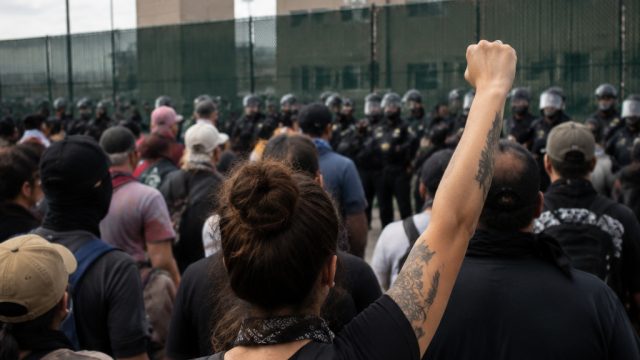
In a landmark case that has captured national attention, several activists in Texas received staggering sentences following their conviction related to an attack on an ICE facility. This unprecedented ruling raises crucial questions about the boundaries of protest, the implications for social movements, and the future of activism in the United States.
The Incident: A Closer Look at the Attack
In 2020, a group of individuals associated with anti-ICE sentiments allegedly orchestrated an ambush on an immigration enforcement facility in Alvarado, Texas. This event was part of a larger wave of protests against the federal agency, which had faced increasing criticism for its policies and actions. The attack was reported to involve various forms of violence, which led to serious injuries and necessitated a substantial law enforcement response.
Key Factors of the Incident
- Escalation of Tensions: The protests against ICE depicted a deep-seated frustration within communities regarding immigration policies.
- Violence and Public Safety: The nature of the attack prompted discussions about the limits of acceptable protest tactics.
- Legal Repercussions: The incident now serves as a case study for legal consequences following civil disobedience.
Convictions and Sentencing: A Major Turning Point
This month, federal judges delivered sentences ranging from 50 years to life for eight individuals involved in the attack. The leader of the group received a staggering 100-year prison sentence, underscoring the severity with which the courts are treating this case. Legal experts suggest that such harsh punishments may set a precedent that could deter future protests against immigration enforcement.
The Rationale Behind the Sentences
- Public Safety Concerns: Authorities emphasized the need to protect both law enforcement and the communities they serve.
- Deterrent Effect: The sentences aim to discourage similar acts of violence by outlining significant consequences.
- National Response: The case resonates amid broader discussions about immigration enforcement and social justice movements.
Broader Implications for Activism
The ramifications of this case extend beyond Texas. Activists across the nation are now carefully assessing the risks associated with direct action. This ruling has sparked debates on the effectiveness and ethics of protest strategies, particularly those that may lead to violence.
Shifts in Activist Strategy
In light of recent events, many activists are reconsidering their tactics and the potential legal ramifications that could arise from direct confrontations with law enforcement.
- Increased Focus on Non-violent Protests: Many leaders advocate for a shift toward peaceful demonstrations.
- Community Engagement: Building dialogue within communities to foster understanding and support for activist causes.
- Legal Preparedness: Activists are being advised to understand their rights and the legal landscape before engaging in protest activities.
Conclusion: Reflection on Justice and Activism
The sentencing of the Texas protesters serves as a stark reminder of the delicate balance between activism and legality. It raises pressing questions about how far individuals can go in their fight against policies they deem unjust. As the nation reflects on these events, the dialogue surrounding activism, legal repercussions, and community safety will likely continue to evolve. In this climate, advocates must navigate their approach to ensure their voices are heard without crossing the line into violence. The future of activism may depend on learning from these challenging lessons.