
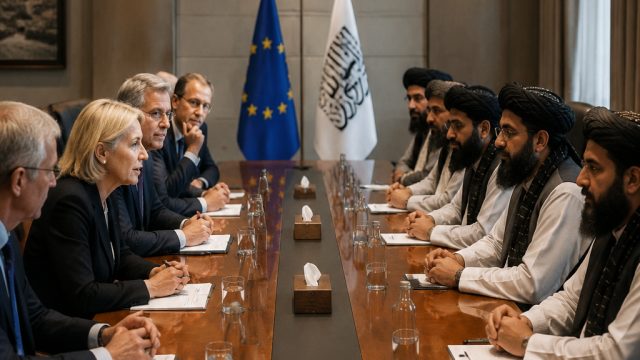
In a surprising move, European Union officials recently hosted a delegation from the Taliban in Brussels, stirring a wave of debate and concern across the globe. This meeting, held in light of ongoing humanitarian crises and geopolitical tensions, has raised questions about the EU's approach towards engaging with controversial governments.
Understanding the Context of the Meeting
The backdrop of this encounter is significant; since the Taliban regained power in Afghanistan in August 2021, the international community has grappled with recognizing their authority while addressing human rights violations. The EU's decision to open a dialogue reflects a pragmatic acknowledgment that traditional diplomatic isolation may not yield the desired outcomes.
The Motivation Behind Engaging with the Taliban
- Humanitarian Needs: With millions facing food insecurity and lack of basic services, the EU aims to determine how it can assist without legitimizing the Taliban's regime.
- Migration Issues: The discussions reportedly included the sensitive topic of deportations, focused on how to manage irregular migration from Afghanistan.
- Stability in the Region: By engaging with the Taliban, the EU hopes to promote a level of stability that could prevent further regional upheaval and security threats.
Key Points of Discussion
The Taliban delegation’s discussions with EU officials extended beyond mere deportation processes. Insights from inside sources indicate that the dialogue covered several critical issues, including:
- Human rights and women's rights, which remain a pressing concern as the Taliban's governance continues to face scrutiny.
- Counterterrorism measures and the Taliban's commitments to preventing Afghanistan from becoming a base for international terrorism.
- Economic cooperation and aid, as Afghanistan faces a dire economic situation exacerbated by international sanctions.
Responses to the EU's Diplomatic Moves
Critics argue that the EU's willingness to engage with the Taliban could be perceived as an endorsement of their controversial policies. Human rights advocates are particularly concerned about the implications for women and marginalized communities in Afghanistan, as the Taliban has faced widespread condemnation for its treatment of these groups.
Proponents of engagement, however, suggest that conversations are necessary to facilitate humanitarian aid and to influence the Taliban's governance positively. They argue that isolating the Taliban only risks worsening the humanitarian crisis.
Implications for International Relations
The EU's decision to engage the Taliban may set a precedent for how democratic nations interact with regimes that have a contentious human rights record. The outcome of these discussions could significantly impact international diplomatic strategies moving forward.
Furthermore, this engagement raises questions about the balance between humanitarian assistance and political legitimacy. As the EU navigates this complex landscape, the stakes are high.
What’s Next for the EU-Taliban Dialogue?
Looking forward, several key developments could shape the future of EU-Taliban relations:
- Continued monitoring of human rights practices in Afghanistan, particularly regarding women's rights and freedoms.
- Potential changes in the EU's strategy based on the Taliban's responses and actions following these talks.
- The role of international pressure from other nations and organizations that may influence how the EU proceeds in its dealings with the Taliban.
Conclusion
The EU's recent meeting with Taliban officials underscores the complexity of international diplomacy in today’s world. As nations grapple with the realities of engaging with governments that do not align with democratic values, the implications of such dialogues could redefine the landscape of global politics. With humanitarian crises at the forefront, the EU’s approach may become a pivotal reference point for future international relations strategies.