
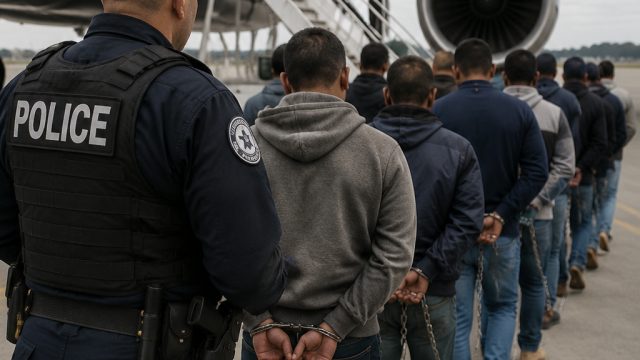
The recent ruling by a U.S. appeals court has sparked renewed discussions surrounding immigration policy, particularly concerning the Trump administration's ability to expedite deportation processes. The court's decision grants the administration the green light to expand its fast-track deportation initiative nationwide, a move that could have significant repercussions for thousands of migrants seeking refuge in the United States. This article delves into the implications of this ruling, the responses from various stakeholders, and what it means for the future of immigration in America.
Understanding the Appeals Court Ruling
The U.S. Court of Appeals recently affirmed the legality of the Trump administration's fast-track deportation process, allowing it to proceed without delay. This expedited process enables immigration officials to swiftly deport certain individuals without a formal court hearing, a practice that has raised concerns about due process and the rights of migrants.
The Legal Framework Behind Fast-Track Deportations
- The expedited deportation policy primarily targets individuals who have recently crossed the border.
- It applies to those who cannot establish a credible fear of persecution in their home countries.
- Opponents argue that this bypasses necessary legal protections for vulnerable populations.
Response from Advocates and Legal Experts
In light of this ruling, numerous advocacy groups have voiced their concerns. Organizations dedicated to immigrant rights argue that the fast-track process endangers the lives of many individuals fleeing violence and persecution. Legal experts highlight the potential for a significant increase in wrongful deportations, emphasizing the need for comprehensive immigration reform rather than expedited processes.
The Broader Impacts of Fast-Track Deportation
As the Biden administration approaches its second year, the implications of this ruling could influence future immigration policies significantly. The fast-track deportation process could lead to:
- Increased Family Separations: Many migrants may be deported without the opportunity to present their cases, leading to family unrest and separations.
- Crisis of Credible Fear: As the process unfolds, the threshold for establishing a credible fear of persecution may become increasingly difficult to meet, impacting asylum seekers.
- Political Repercussions: The ruling may rekindle immigration debates in Congress, galvanizing both supporters and opponents of these policies.
Comparison with Other Countries' Immigration Policies
Looking globally, the fast-track deportation process in the United States mirrors various approaches taken by other countries facing immigration surges. For instance:
- Countries like Australia have implemented similar policies to manage the influx of migrants, often with mixed results.
- The United Kingdom has also faced criticism for its expedited immigration processes, which some argue neglect asylum seekers' rights.
- In contrast, nations like Canada have adopted more compassionate approaches, focusing on integrating newcomers rather than expedited removal.
Future Considerations and Closing Thoughts
As the fast-track deportation process unfolds, the ongoing legal and social implications will be observed closely. The potential for increased deportations raises critical questions about the balance between national security and human rights protections. Additionally, the reactions from both sides of the aisle in Congress will play a vital role in shaping the future of U.S. immigration policy.
In conclusion, the recent appeals court decision to allow the Trump administration's fast-track deportation process signifies a pivotal moment in the ongoing immigration debate. As stakeholders from various sectors respond, the ramifications of this ruling will likely echo throughout the country, impacting not only those directly affected by deportations but also the broader societal and political landscape.