
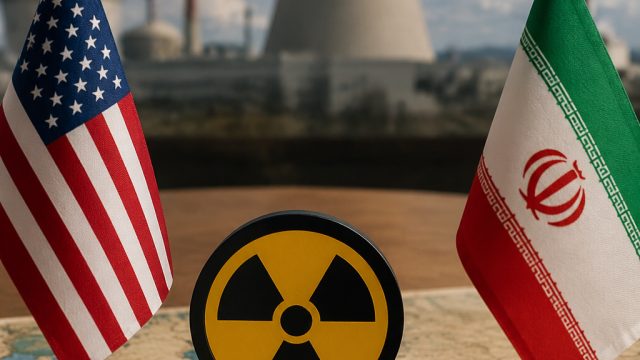
In recent weeks, the geopolitical landscape has been significantly affected by the ongoing tensions between the United States and Iran regarding nuclear inspections. As both nations provide conflicting accounts of their negotiations, it becomes increasingly important for observers to understand the implications of this dispute, not only for the two countries involved but for global stability as a whole.
Background of the Dispute
The roots of the current conflict can be traced back to the Joint Comprehensive Plan of Action (JCPOA), a 2015 agreement aimed at regulating Iran's nuclear program. While the agreement was hailed as a breakthrough at the time, it has faced numerous challenges, particularly after the US withdrawal in 2018. Since then, both parties have been at odds over compliance and verification measures, which have now resurfaced as the key points of contention.
What Are the Current Claims?
Recently, US officials, including former President Donald Trump, have asserted that Iran has made significant concessions regarding nuclear inspections. In stark contrast, Iranian representatives have flatly denied these claims, asserting that no agreement was reached on this critical matter. This division of narratives has left analysts perplexed about the true state of negotiations.
The Implications of Non-Compliance
The disagreement over nuclear inspections carries serious implications for international security. If Iran continues to disregard inspection protocols, it raises concerns about the transparency of its nuclear activities. Here are some potential consequences:
- Increased Tensions: As both nations dig in their heels, regional allies may feel compelled to take sides, escalating tensions further.
- Economic Sanctions: The US may impose or tighten sanctions should Iran fail to comply, which could cripple Iran's economy.
- Global Repercussions: Allies of both countries may be pressured to adjust their foreign policies, affecting trade and diplomatic relations worldwide.
The Role of International Organizations
International bodies, such as the International Atomic Energy Agency (IAEA), are crucial in mediating this dispute. Their role in providing unbiased assessments can help clarify the facts surrounding Iran's nuclear program. However, political pressures often complicate their efforts:
- Verification Challenges: Gaining access to facilities and ensuring compliance can be hindered by political roadblocks.
- Diplomatic Solutions: Ongoing dialogue is essential for resolving misunderstandings and moving towards a peaceful resolution.
Public Sentiment and Media Coverage
The media's portrayal of the US-Iran nuclear dispute significantly influences public sentiment. In the US, coverage often aligns with political agendas, which can shape perceptions of Iran's intentions. On the other hand, Iranian media emphasizes sovereignty and national rights, heightening the sense of victimization among its citizens. This disconnect complicates efforts for diplomatic reconciliation.
The Importance of Balanced Reporting
For a fair understanding of the dispute, it is vital for media outlets to provide balanced reporting. Highlighting both perspectives fosters a more informed public, which can advocate for policies that prioritize peace and stability. Here are some ways balanced reporting can help:
- Encouraging Dialogue: Highlighting the need for open discussions can pave the way for negotiations.
- Reducing Misinformation: Providing factual information helps combat the spread of rumors and speculative narratives.
Conclusion: The Path Forward
As the US-Iran nuclear inspections dispute unfolds, the global community watches closely. The conflicting narratives and ongoing tensions underscore the complexity of international relations today. To move towards a resolution, both parties must engage in sincere dialogue and demonstrate a commitment to transparency. The implications of this dispute extend beyond just the two nations; they impact global security and economic stability. The time is now to advocate for a collaborative approach that prioritizes peace, understanding, and compromise.