
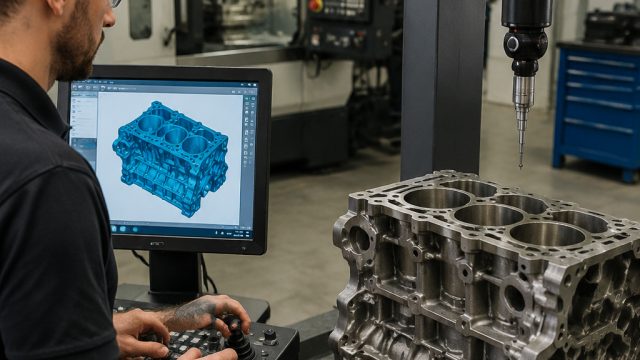
In a significant move to bolster its manufacturing prowess, ATI has announced the expansion of its advanced machining and inspection capabilities. This strategic enhancement is expected to not only improve production efficiency but also set the stage for more innovative engine component solutions in the automotive sector.
Why This Expansion Matters Now
The urgency to adapt in today’s competitive market cannot be overstated. With the automotive industry evolving rapidly, companies like ATI must keep pace with technological advancements. The latest investment in machining and inspection technologies is geared towards enhancing precision and reducing production times, essential factors as automakers ramp up production to meet increasing demand.
Improved Precision and Quality Control
One of the key elements of ATI's new capabilities lies in its focus on precision machining and thorough inspection processes. These enhancements facilitate:
- Increased accuracy in component manufacturing
- Reduction in waste and rework
- Consistent quality across all products
This focus on quality control aligns with the industry's push towards higher standards, particularly as customers demand more reliable and efficient auto parts.
Technological Investments Driving Change
ATI’s commitment to integrating state-of-the-art technology into its processes is evident in this expansion. By leveraging modern machining methods and advanced inspection systems, the company aims to:
- Expand its production capacity and capabilities
- Reduce lead times significantly
- Enhance the overall customer experience by delivering high-quality parts quickly
These advancements not only signal a positive outlook for ATI but also highlight a broader trend within the manufacturing sector where technology plays a crucial role in driving efficiency.
Meeting Customer Demands
As consumer preferences shift towards more sophisticated and durable automotive components, ATI's new machining and inspection capabilities are well-timed. The ability to produce high-quality parts that meet stringent safety and performance standards will ensure that the company remains competitive in the auto parts market.
Industry Implications of Enhanced Capabilities
The implications of ATI's expansion extend beyond the company itself. Increased efficiency in manufacturing can lead to cost savings that can be passed on to consumers. Moreover, as ATI reduces its production timelines, other players in the industry may also need to reassess their operational strategies to maintain market relevance.
Forecasting the Future of Auto Parts Manufacturing
With advancements like those made by ATI, the future of auto parts manufacturing looks promising. As companies invest in new technologies, we can expect to see:
- More sustainable manufacturing practices
- Increased automation in production lines
- Greater collaboration between manufacturers and technology providers
This shift will likely foster an environment where innovation thrives, leading to improved products for consumers and enhanced profitability for manufacturers.
Conclusion: Embracing Change in Manufacturing
ATI's expansion of its machining and inspection capabilities marks a pivotal moment in the automotive industry. As manufacturers embrace technological advancements, they not only enhance their operational efficiencies but also position themselves to better meet the needs of a rapidly evolving market. The steps taken by ATI are not just a response to current demands but a proactive strategy to shape the future of auto parts manufacturing. Companies must continue to innovate to stay competitive and deliver exceptional value to their customers.